Welcome to Zsm Audiovisual Equipment(guangzhou)co.,ltd.

news
-
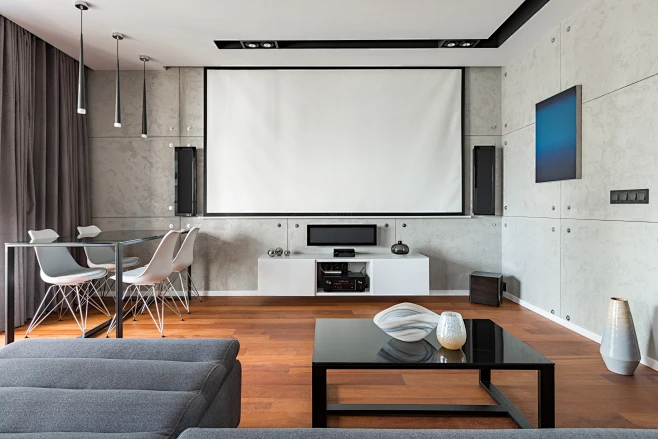
Why White Matte Screens Remain a Timeless Smart Choice
you’ve finally bought that coveted HD projector, dreaming of creating a private home theater. But when you project onto a plain white wall, the colors look washed out, details are blurry, and the image is almost invisible during the day… What’s the issue? The problem might not be your projector, but the lack of a professional projection screen! Among various screen materials, the White Matte Screen continues to win global favor for its all-around, balanced performance. Today, let’s dive deep into this “all-rounder” from the perspective of its physical properties. 1. Core Advantages of White Matte Screens: Balance is King The White Matte screen is often called the “Swiss Army Knife” of projection screens, renowned for its versatility and uniform r...Learn more -
Is a Projection Screen Just a “Decoration”?
You’re watching a cartoon with your kid in the living room on a weekend, and sunlight filters through the curtains—suddenly the image on the white wall turns gray, and the character’s hair becomes blurry. Or in a meeting room, colleagues sitting on the side keep complaining that the chart colors are distorted. Have you ever experienced such awkward moments? Data in 2025 shows that China’s annual output of projection screens has reached 11.143 million pieces, and more people are realizing: A good projector needs a good screen as a “partner”—screens are by no means dispensable accessories. 1. Can White Walls Really Replace Screens? Many people think, “Projecting onto a white wall is fine; screens are a waste of money.” But practical ...Learn more -
Gray vs. White projectionScreen: Why Ambient Light Matters for Your Projector
Global projection screen market hit $1.63759 billion in 2025, with a 10.26% CAGR expected through 2035 . But 67% of buyers still struggle choosing between white and gray projection screens . Let’s break this down. 🎯 Core Differences (2025 Updated Data) FeatureWhite Screens (e.g., Fiberglass)Gray Screens (e.g., Fiberglass)Gain Value1.2 (brighter center)0.9 (softer light)Viewing Angle>160°>160°Ambient Light ResistanceLow (needs dark rooms)High (cuts glare 40%+)Color AccuracyD65 (6500K) via calibrationD65 (6500K) via calibrationBest ForDedicated home theatersLiving rooms/open spaces 🏠 Real-Life Scenarios Living Room Cinema: Mr. Li’s bright living room had washed-out whites with a white screen. Switching to a gray fiberglass screen el...Learn more -
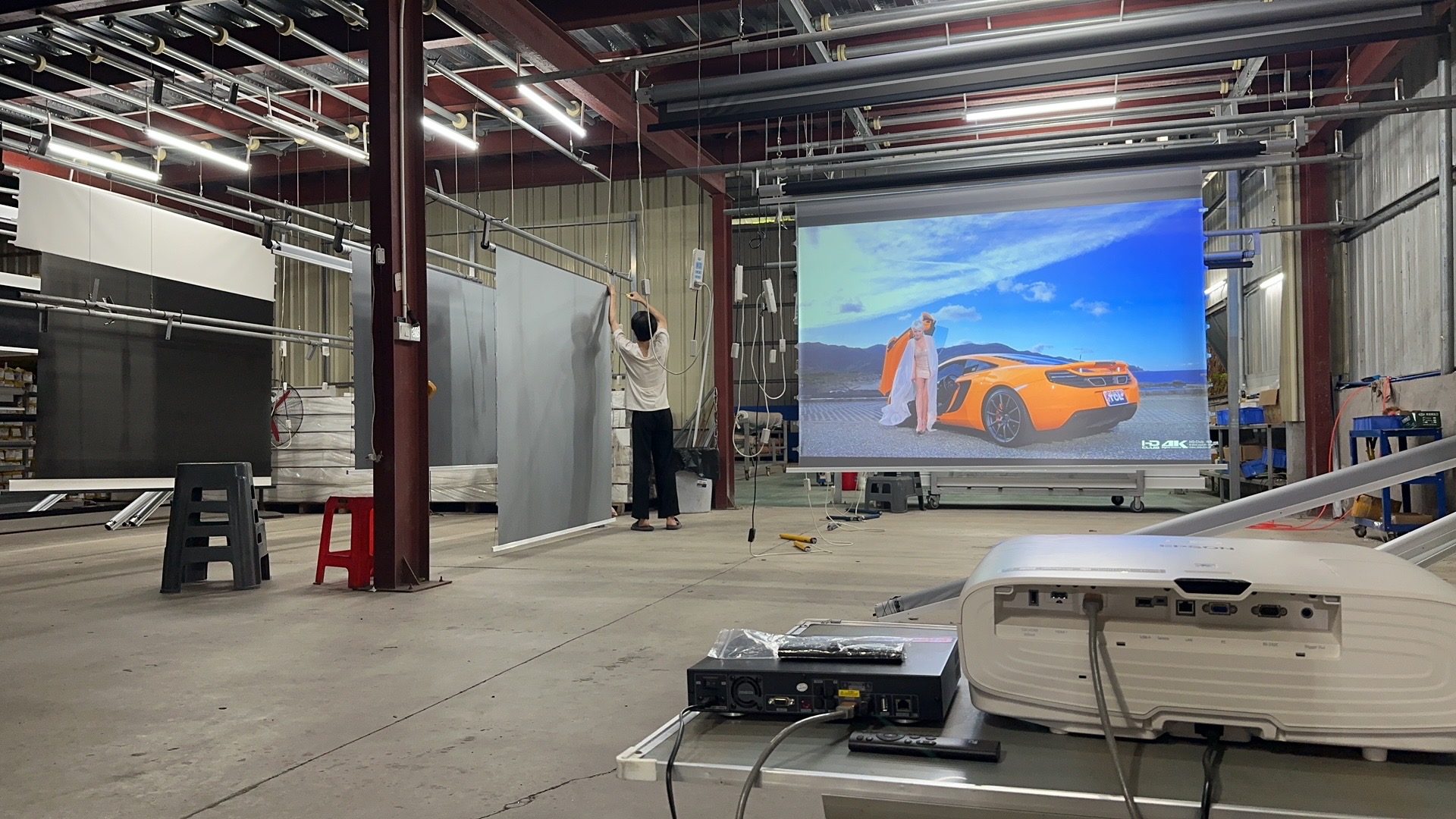
How to Choose the Right Projection Screen Size?
Imagine settling into your sofa for a movie night, only to squint at a tiny screen or crane your neck to see the top of the image. Withhome projectors growing in popularity, selecting the perfect projection screen size has become make-or-break for your viewing experience. The key lies in balancing three factors: screen aspect ratio, viewing distance, and your room’s dimensions. Let’s break this down with real-world tips and updated data. 1. Aspect Ratio: 16:9 vs. 2.39:1 The first decision is aspect ratio, which affects both image size and eye comfort. Aspect RatioBest ForKey AdvantagePotential Drawback16:9Sports, TV shows, gamingFits most modern contentTaller image may cause eye strain up close2.39:1 (Cinema Scope)Blockbuster moviesWider, immers...Learn more -
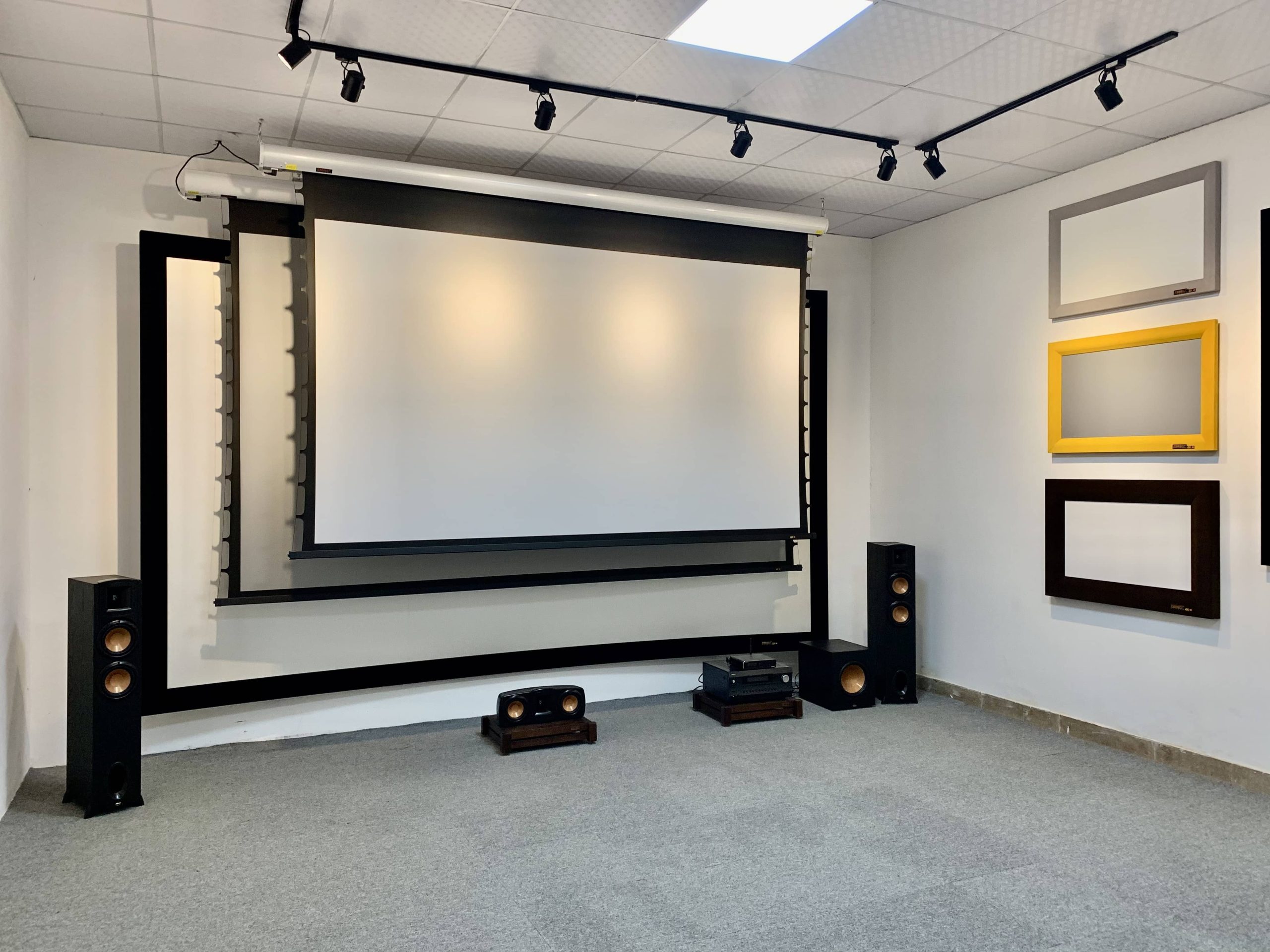
2025 Projection Screen Cleaning: Home to Commercial Quality Guide
Unlike LCD TVs, projectors can cast images on screens, white walls, desktops, and even special surfaces like water curtains or rockeries. However, only with a clean screen can you enjoy 4K-level delicate picture quality. Whether it’s juice stains from kids in home theaters or coffee spills in meeting rooms, screen dirt can easily ruin viewing and working experiences. As a professional team specializing in custom projection screens, we’ve compiled this practical cleaning guide based on the latest 2025 screen material characteristics, plus Q&A to help you maintain your screen easily. 1. Scene-Specific Stain Removal: Target the Right Solution Stain types vary greatly across scenarios, and blind cleaning will only make things worse. Here are solutions for three ...Learn more -
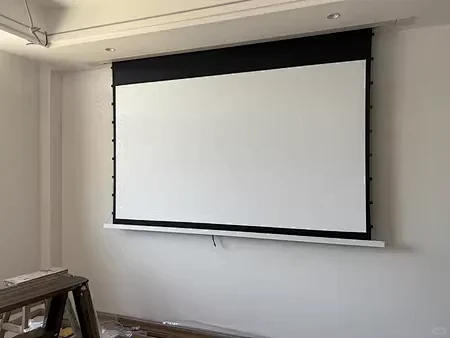
ZSM Custom Projection Screens: Your Complete Guide to Unlocking the Ultimate Home
Have you ever dreamed of bringing the magic of the big screen into your own home? In the age of streaming content explosion, building a dedicated home theater is no longer a distant fantasy. However, creating a stunning audiovisual space is far more than just assembling a collection of gear. It’s an art form that blends space, technology, and aesthetics. As custom projection screen specialists, ZSM is here to guide you through the key considerations for avoiding common pitfalls and building a system that delivers truly exceptional value. First Consideration: Where Will Your “Cinema” Live? The very first step in your home theater journey is always to define its “home.” This is a critical decision, as it directly influences every equipment choice...Learn more -
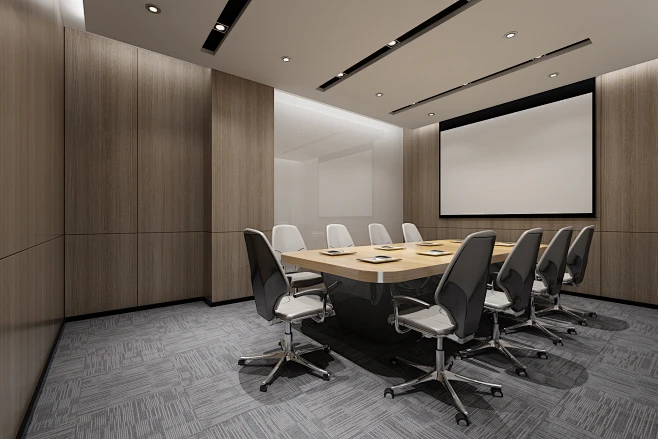
Don’t Let Your Projector Perform Solo! Your Home Theater Deserves This ‘Magic Canvas’
You’ve invested in a top-tier projector, dreaming of epic movie nights. But when you project onto that white wall, colors look washed out, details are blurry – like watching through a foggy window. Don’t blame the projector! The truth is, you’re missing the secret ingredient: a proper projection screen. It’s the difference between painting on printer paper versus artist’s canvas. Why Your Screen is the Unsung Hero Think of your projector as the paintbrush and the screen as the canvas. Your wall is like a sponge – it absorbs light and color. A proper screen is engineered to control light reflection with precision. Fun fact: The same projector can look 40% better on the right screen! It’s like using the same ingredients in a regular pan ...Learn more -
A Treasure Choice to Unlock Unlimited Possibilities of Home Theaters
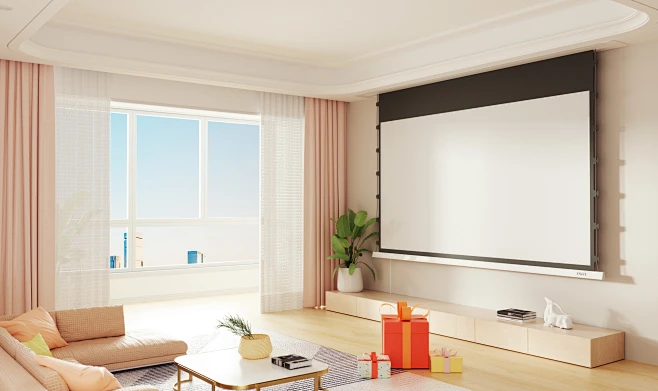
In the fast – paced modern life, home has become a warm haven where we relax and enjoy entertainment. As a key element to enhance home happiness, home theaters are gaining increasing popularity among people. Among them, electric projection screens are shining brightly in the field of home theaters with their unique charm. Now, let’s delve into the appealing advantages of electric projection screens. Dreamy Light – Transmitting Property for a Fantastic Visual Feast One of the significant advantages of electric projection screens is their excellent light – transmitting property. Compared with traditional projection screens, they are like a magical magician. They can keep the images bright and clear while ensuring high color saturation. Through them...Learn more -
The Art and Intelligence Behind Professional Projection Screen Installation
Step into any modern corporate meeting room, and behind that quietly hung projection screen lies a precision engineering few truly appreciate. Data shows that in 2025, nearly 60% of businesses prioritize professional projection screen when upgrading their office spaces—it’s not just a tech upgrade, but a silent ambassador for the corporate image. Planning Phase: A Good Start is Half the Battle Imagine this: You’re about to begin an important client presentation, and the screen refuses to descend smoothly—such awkwardness is entirely avoidable with proper planning. Selection Guide: Motorized Screens: Like the “intelligent butler” of your conference room, controlling the visual focus with a single click. Fixed ALR Screens: The “interfe...Learn more -
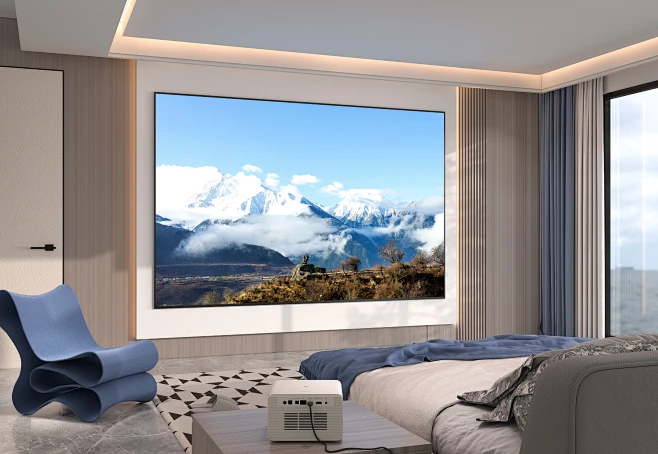
What Equipment Pairs With Custom Projection Screens? (Beginners Must-Read)
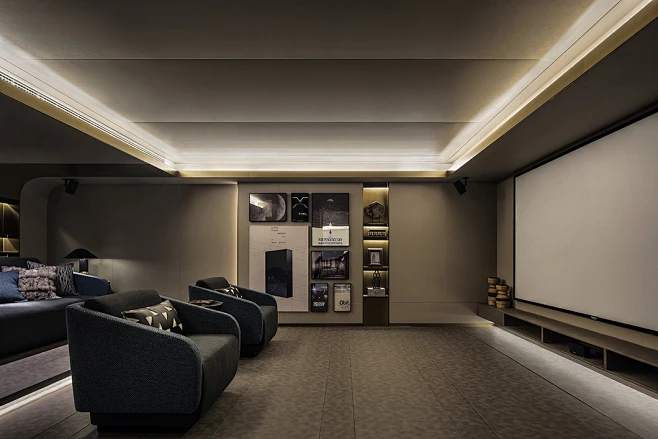
On a weekend evening, your 120-inch custom anti-light projection screen lowers slowly. A 4K projector casts the delicate starry sky from a movie, and surround sound fills the room with the roar of a spaceship—this is the ultimate projection experience. However, most beginners make a common mistake: buying a high-quality custom screen but pairing it with mismatched equipment. For example, using a 1080P projector with an 8K custom screen, or a regular screen with a low-brightness projector in a bright living room. In fact, 90% of a screen’s performance depends on its supporting equipment. This guide, updated with 2025’s latest products, will help you pair your custom screen perfectly. 1. Core Partner: The “Matching Formula” for Projectors & Custom Screens A proj...Learn more