Welcome to Zsm Audiovisual Equipment(guangzhou)co.,ltd.

news
-
How Irregular Curved Projection Screens Redefine Customer Acquisition Costs in Commercial Hubs?
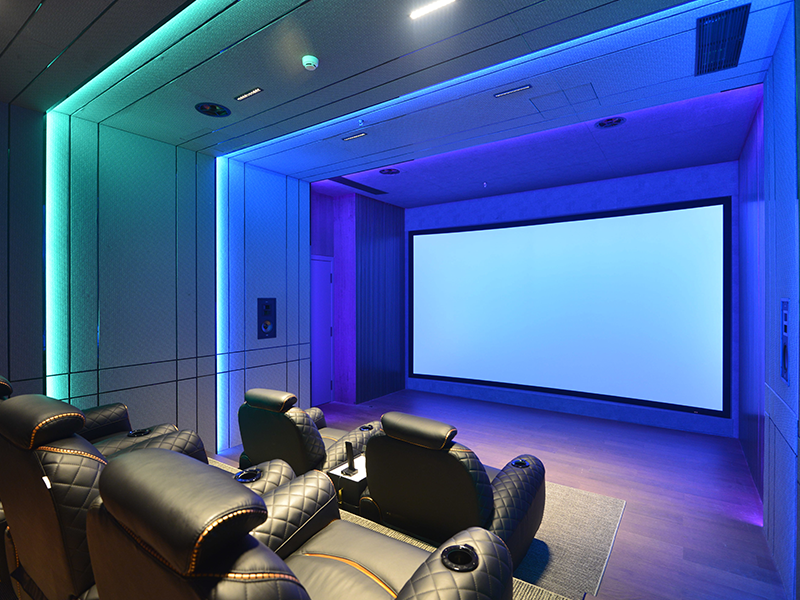
Global commercial districts are now trapped in the dilemma of homogenized competition. Conventional decoration styles and ordinary audio-visual equipment can no longer retain floating customers, and curved projection screens have become the core carrier for overseas commercial real estate, catering chains, and cultural tourism blocks to break through traffic bottlenecks. Many overseas commercial district operators and catering brand procurement managers have been thinking: with the same budget for audio-visual upgrading, why do more and more high-end venues abandon traditional flat screens and choose commercial immersive curved projection screens to create spatial experiences? Behind this choice is not only the difference in visual perception, but also the reconstruction of the unde...Learn more -
Structural Stability Standards for Curved Projection Screens: How to Prevent Physical Deformation in Large Commercial Projects Over Long-Term Use
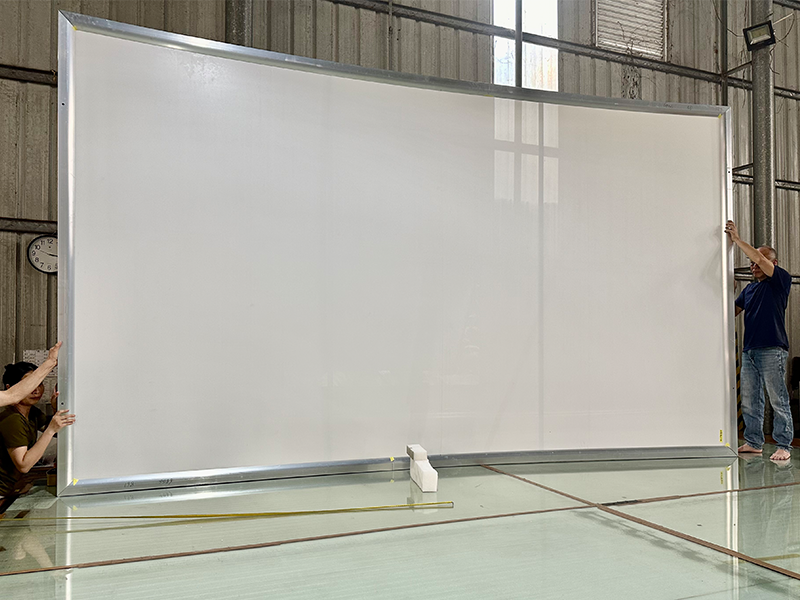
When implementing overall audio-visual solutions for overseas large-scale commercial immersive venues, corporate headquarters conference halls, and cultural tourism exhibition halls, curved projection screens have long become the core carrier for creating immersive visual experiences. Many overseas engineering general contractors and commercial space designers have had similar troubles: the picture quality is neat and smooth at the initial project delivery stage, but after years of seasonal temperature and humidity changes and long-term all-day operation, commercial immersive curved projection screens gradually develop physical deformations such as edge arching, radian deviation, and local depression. This not only reduces the presentation quality of high-end commercial scenarios bu...Learn more -
Projection Screen Factory Quality Control Process: From Substrate Elongation to Finished Product Flatness
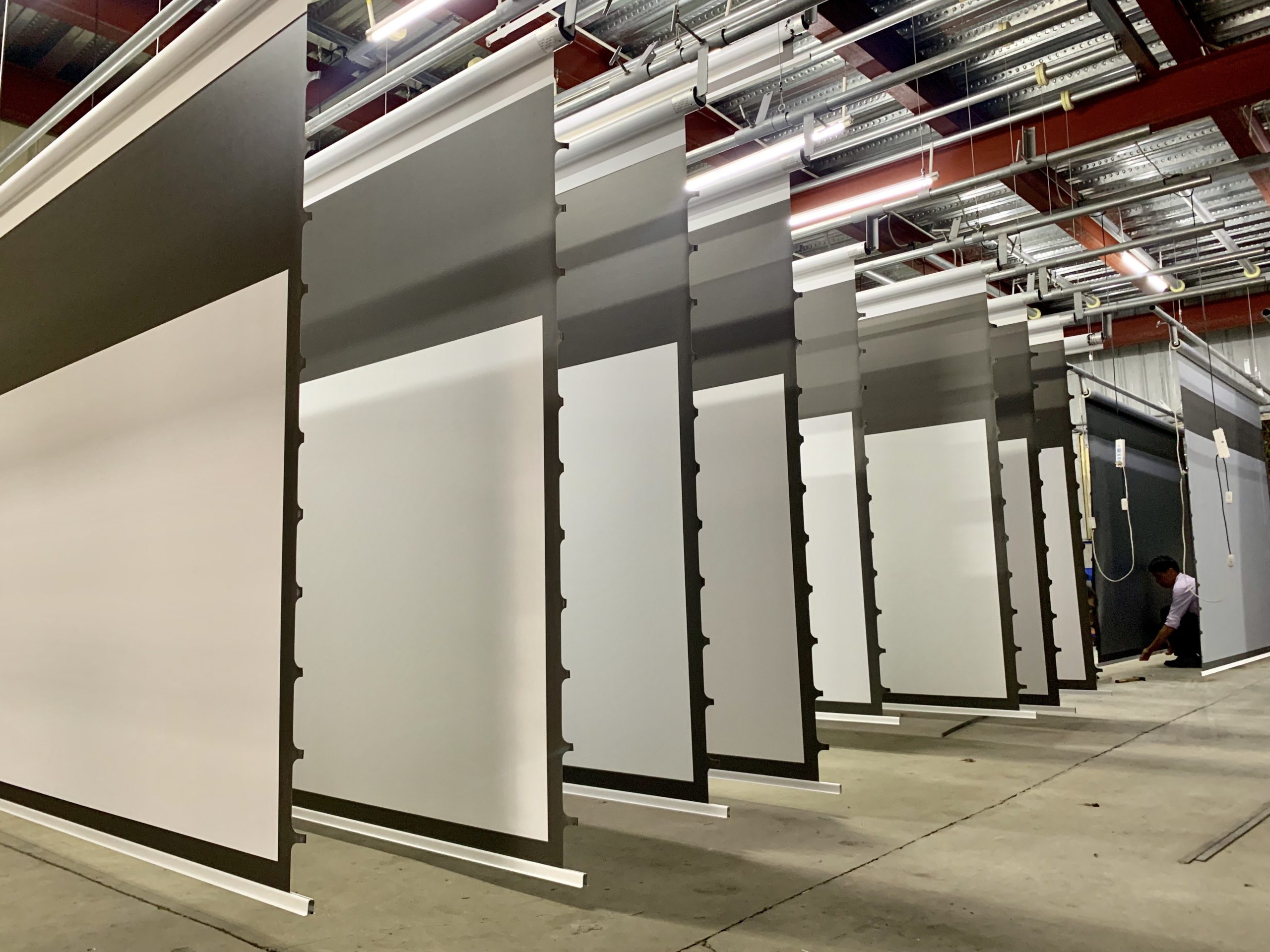
Do you think the biggest risk of cross-border audiovisual projects is installation errors? In thousands of overseas projects we’ve worked on, 90% of project after-sales disasters stem from choosing a projection screen factory with an incomplete quality control system. A screen with hidden defects shipped to project sites in Europe, the US, or the Middle East can bring cross-border rework costs 5 to 10 times the value of the screen itself. You might not know that a premium hotel project has its final payment deducted by the client because the screen edges curled just 3 months after handover; a commercial cinema has to suspend business for rectification due to irreversible wavy patterns on the screen after opening; a bulk overseas education project fails acceptance directly because...Learn more -
Professional Maintenance for Large-Scale Commercial Screens: Dust & Mold Solutions
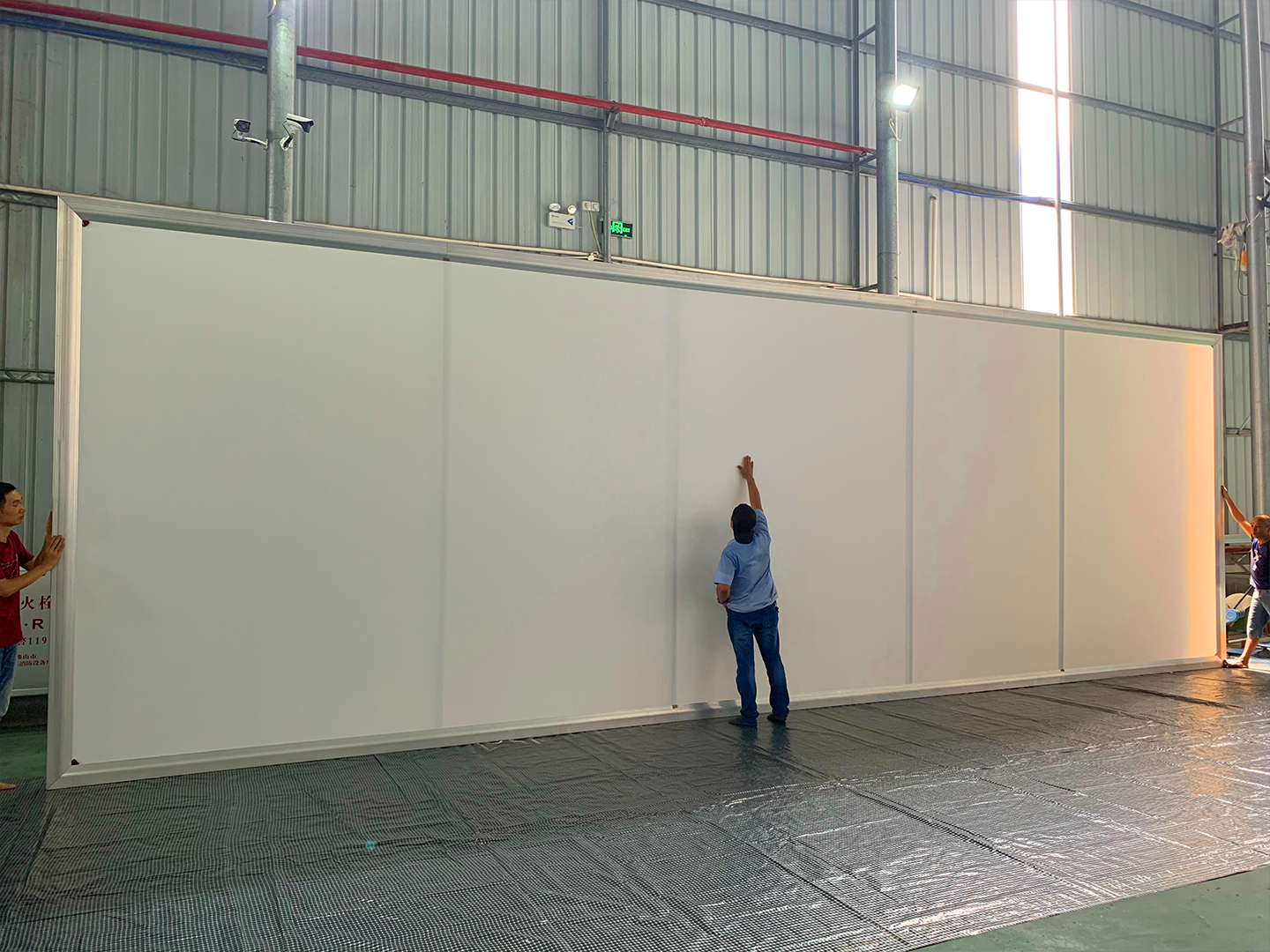
Commercial Projection Screen serves as the core audio-visual equipment for large venues including hotel banquet halls, convention centers, auditoriums, and commercial cinemas, and its picture performance directly determines the effect of event presentation and customer experience. Yet most venue operators overlook a critical issue: the lack of daily maintenance for high-altitude installed imaging systems is causing invisible ongoing losses. According to the latest 2026 survey data from the Global Commercial Audio-Visual Association, products without regular maintenance see an average optical performance degradation of more than 35% within 3 to 5 years, while the comprehensive cost of high-altitude full-screen disassembly and replacement is 12 to 18 times that of annual regular maint...Learn more -
How to Choose Projector Screen for Auditoriums & Houses of Worship: High Ambient Light Guide
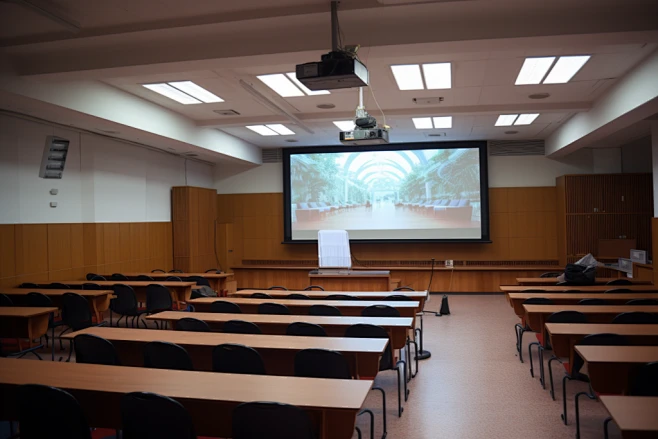
For commercial venues like large auditoriums and historic houses of worship, picking a suitable projector screen is never a simple consumer-level purchase. These spaces deal with mixed natural light from stained-glass windows, stage spotlights, and fixed indoor lighting, making High ambient light screen performance the top priority for B-end buyers. A poorly matched screen will render even high-lumen projectors ineffective, leading to blurred images, faded contrast, and a poor experience for hundreds of audiences—especially for Projector screen for church with windows, where natural light interference is more prominent. When planning large-scale projection projects, most engineering teams and facility purchasers struggle with choosing between different screen technologies, calcul...Learn more -
Fast-Fold Portable Screens: Durability and Setup Speed Tests for Event Planners
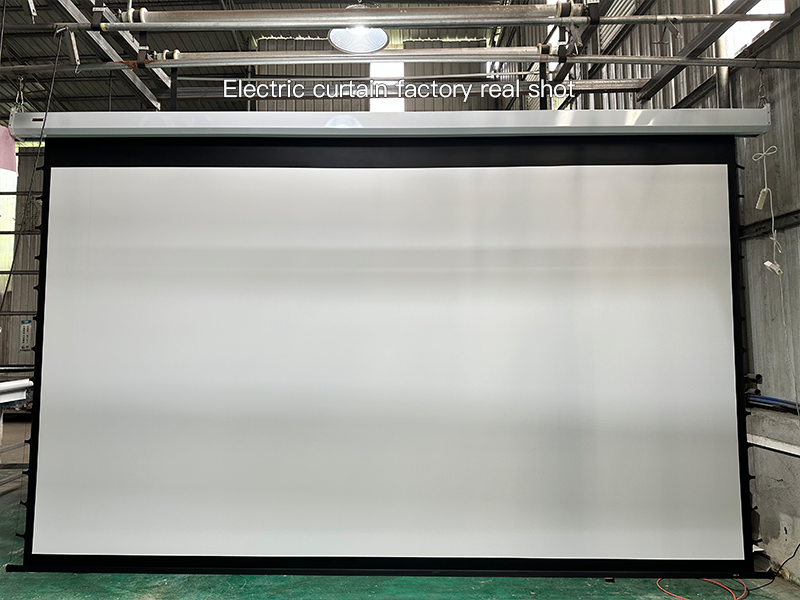
For overseas event rental companies, exhibition planners and commercial tour teams, the setup efficiency and durability of on-site equipment directly determine project delivery costs and brand reputation. The setup window for an overseas exhibition is often only a few hours, and outdoor commercial events have to cope with changeable climatic conditions. Fast-Fold Portable Screens, as the core display equipment for overseas commercial events, whether they can be set up quickly and durable for long-term use, is the core consideration for B-end customers in model selection. Based on the latest 2026 test data from ZSM’s factory, we conduct an in-depth test on the actual performance of Fast-Fold Portable Screens from the dimensions of setup speed, material durability and scene adap...Learn more -
Smart Projection Screen Market Trend 2026: Why Magnesium-Aluminum Alloy Housing Becomes High-End Standard
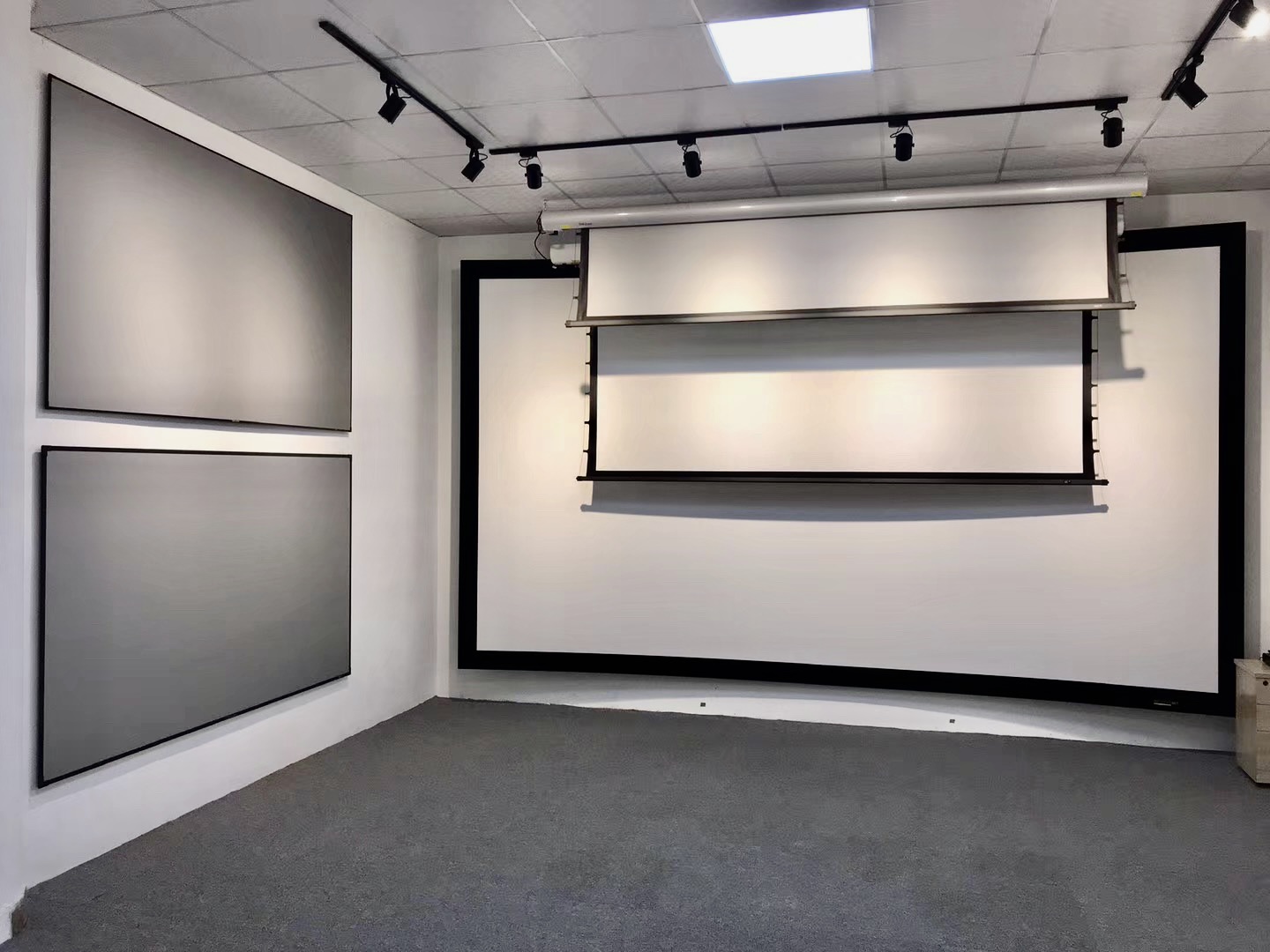
Entering 2026, the upgrade of the global commercial display industry continues to accelerate, and projection screen has long evolved from a simple display accessory to core equipment that determines the overall quality and acceptance pass rate in overseas commercial projects, high-end hotels, corporate conference rooms and private cinema projects. In the high-end B-end procurement lists of Europe, America, the Middle East and Southeast Asia, magnesium-aluminum alloy housings are no longer optional configurations, but mandatory standards for high-end products such as cinema large format projection screen and in-ceiling smart projection screen. Behind this material revolution lies the real needs of overseas engineering procurement and the iterative logic of industry technology. Man...Learn more -
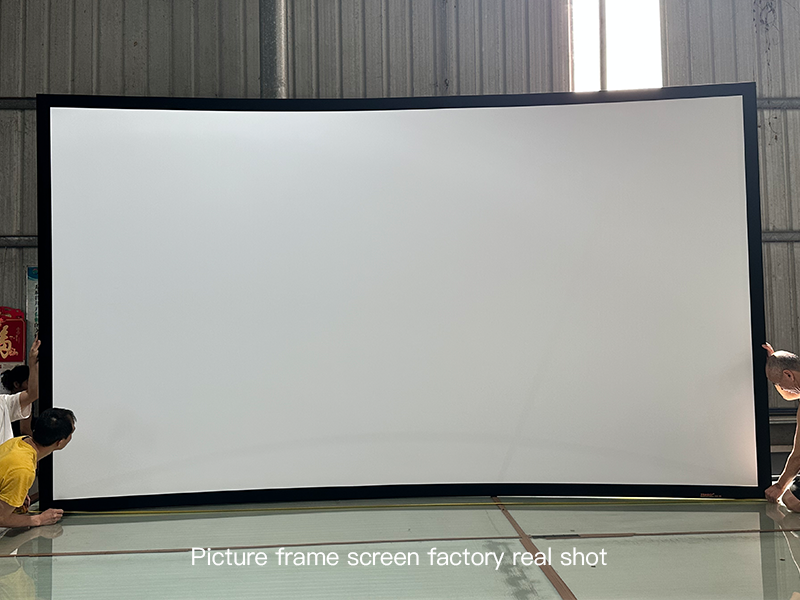
Cinema Projection Screen Fire Safety Standards: B1 Rating Differences Between Giant Screen and Home Screen
For overseas commercial cinema project purchasers, the fire retardant performance of cinema projection screens is never an optional extra, but a core prerequisite for the project to pass local fire inspection and be successfully implemented. Among them, B1 grade cinema projection screens are the mainstream compliance standard, widely used in various public places such as commercial cinemas and auditoriums around the world. However, their fire retardant requirements are significantly different from those of home projection screens. Many overseas B-end customers are likely to confuse the two standards when purchasing, which may lead to compliance risks. Today, we will analyze the core differences between the two from the aspects of standard details, process technology and overseas com...Learn more -
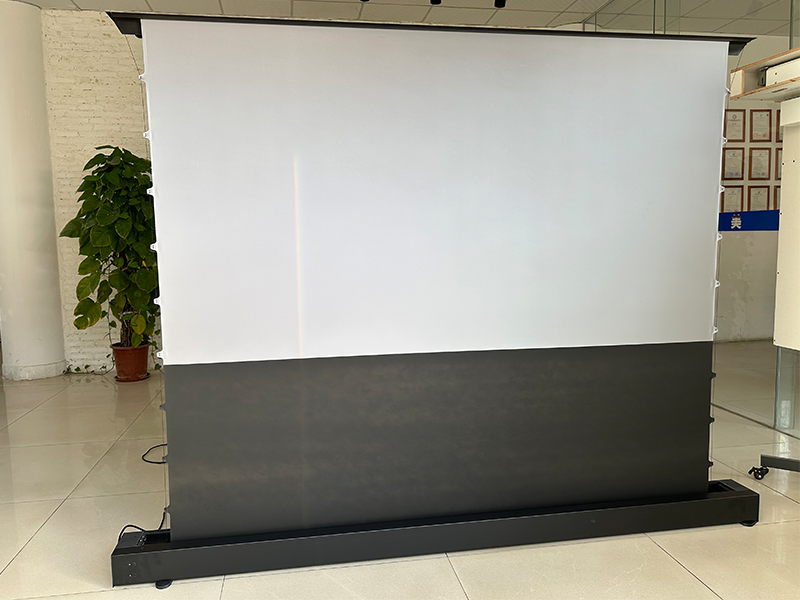
Motorized Floor Rising Screen Pros & Cons: No-Drop Ceiling Installation for Living Room
For finely decorated living rooms where modifying the suspended ceiling is not allowed, and overseas hotel bulk installations require avoiding construction damage,Floor Rising Screen has become the core solution for projection installations in B-end finely decorated apartments (Condo), hotel living rooms, and penthouses due to its no-construction and engineering-level stability. However, their adaptability and selection logic have always been the focus of overseas B-end customers. In the overseas B-end market, the demand for projection screen installation in the living rooms of high-end apartments (Condo), luxury hotels, luxury penthouses, and ballrooms has long jumped out of the “single-family adaptation” logic, and instead pursues bulk installation efficiency, engin...Learn more -
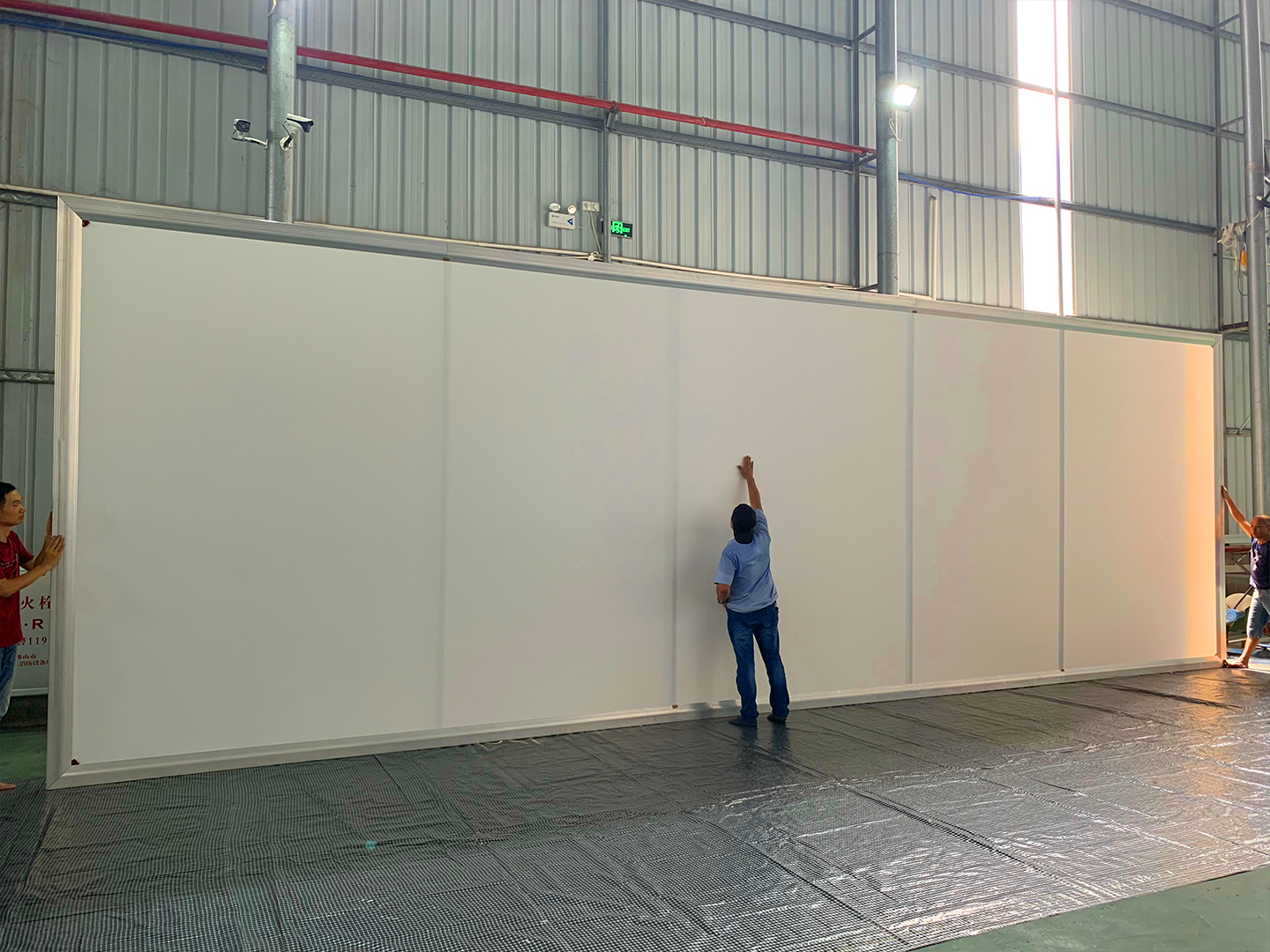
Extra-Large Motorized Projection Screen (200″+) Customization: Load Safety Standards for Hotel Ballrooms
For five-star hotel ballrooms, international conference centers, high-end exhibition venues and government & enterprise multifunctional auditoriums, large engineering motorized projection screen acts as the core display equipment for large-scale conferences, wedding banquets and brand launch events. Extra-large models from 200 to 500 inches not only deliver stunning 4K/8K high-definition projection visuals but also must strictly comply with global mainstream building load and fire safety standards, which are the core assessment criteria for overseas B-end customers in bidding and project acceptance. As a professional custom manufacturer of engineering projection screens focused on the overseas market, we put compliance, structural safety and intelligent operation and maintenance...Learn more