
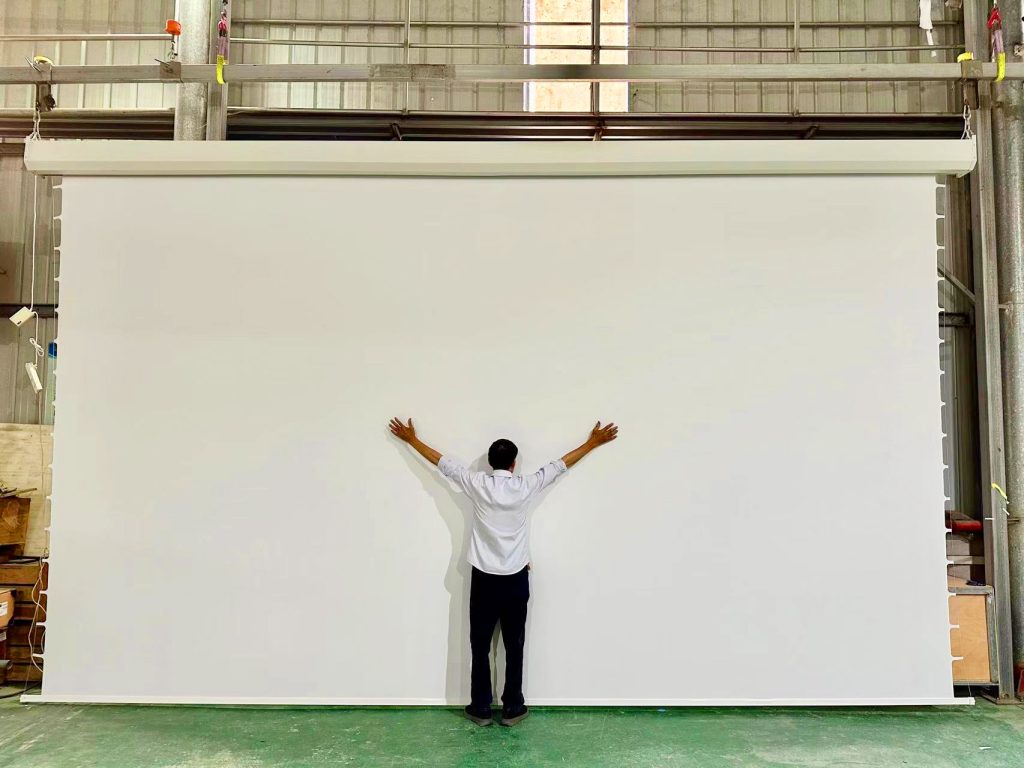
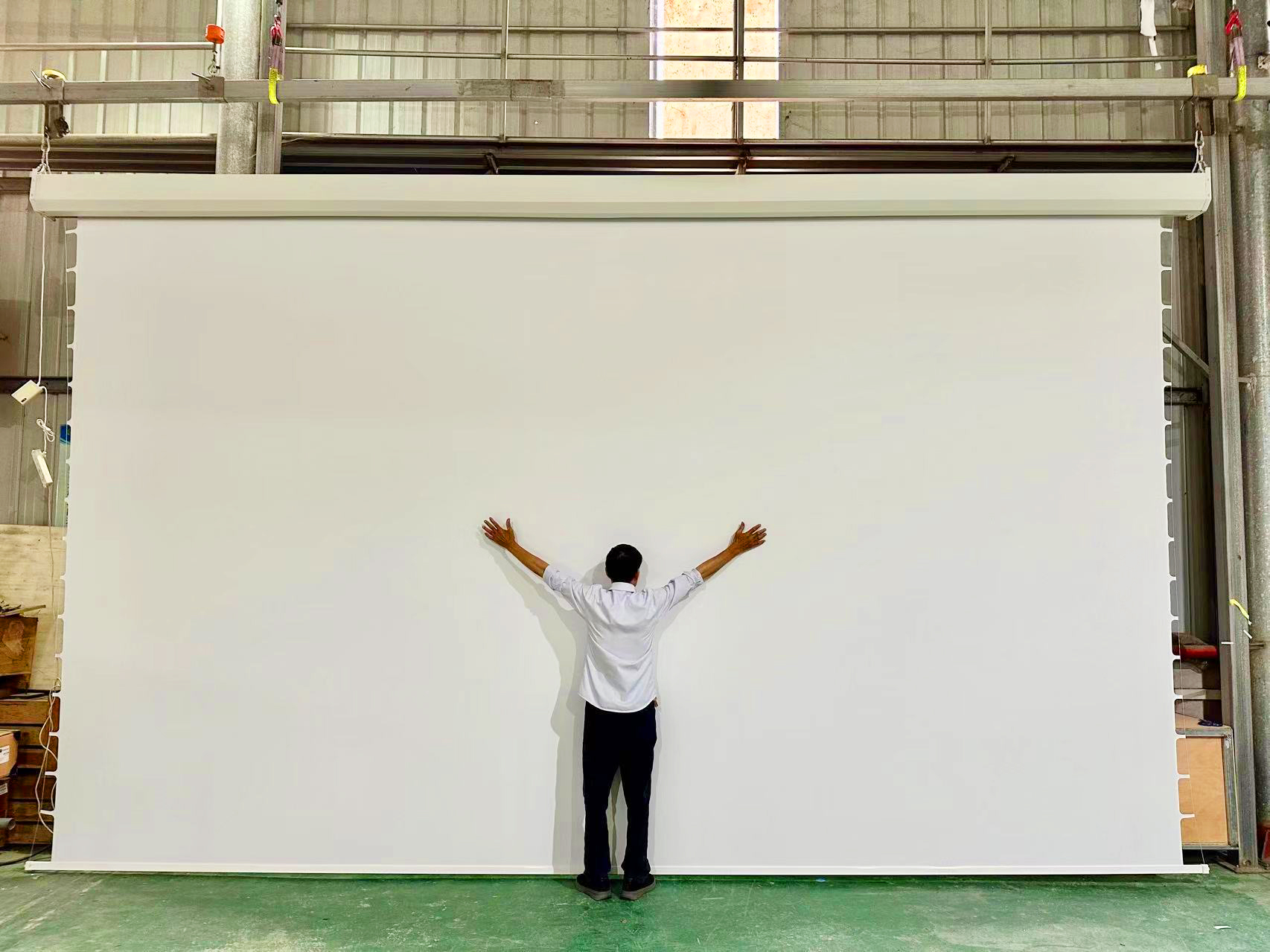
Abstract: The core of achieving physical seamlessness for Large Engineering Projection Screens over 200 inches lies in “molecular-level fusion” instead of “physical bonding”. With three core technologies including Ultrasonic Cold Welding (molecular hot melting), Full-Frame Optical Overlapping Coating (eliminating refraction differences) and Tension Compensation Structure (anti-deformation under self-weight), ZSM controls the seam error within ≤0.05mm, ensuring completely invisible seams under 8K high-definition projection.
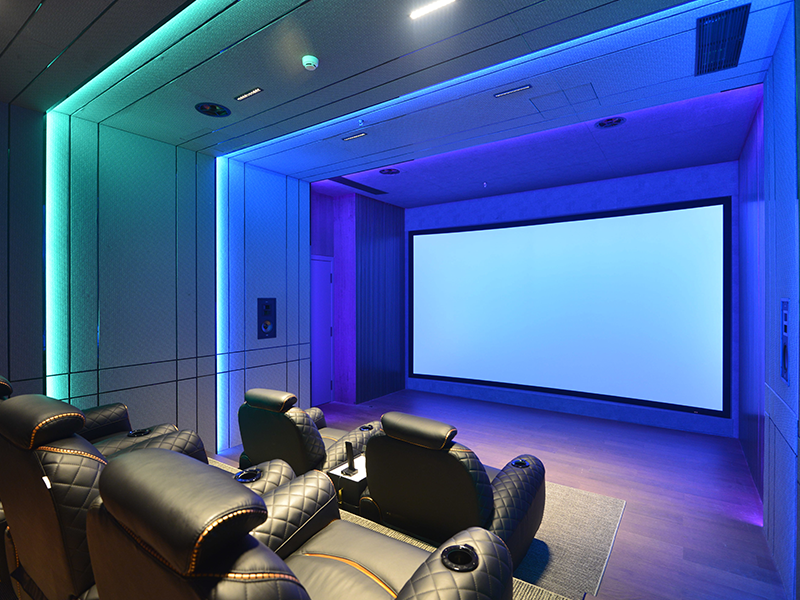
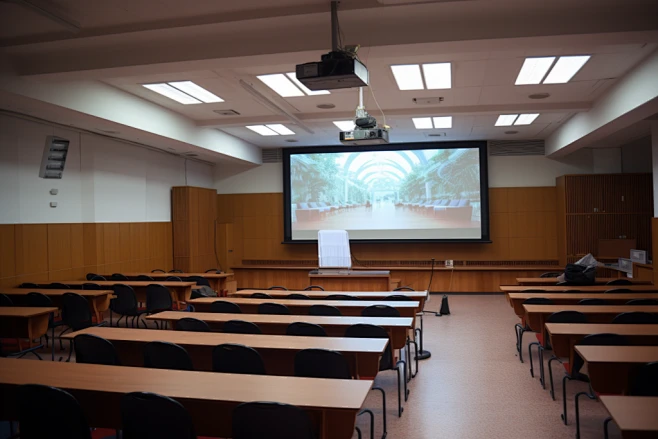
In professional scenarios such as high-definition DLP large screens in power dispatching centers, 15-meter ultra-long console rear projection screens, star-rated hotel banqueting halls, and immersive cultural tourism digital exhibition halls, the Large Engineering Projection Screen serves as the core hardware that determines the overall visual effect. Many contractors face the same dilemma when implementing large screen projects over 200 inches: limited by the 3.2m and 5m width of mainstream global substrate production lines, large-size screens must be spliced, yet the black seams, protrusions and brightness faults left by traditional processes directly become fatal defects for project acceptance in 4K/8K images. We have long served various large-scale display projects overseas, polished the physical seamless technology for oversized projection screens for years, and fully understand the importance of deformation-resistant design for engineering-grade spliced projection screens to the long-term stable operation of projects.
Traditional splicing relies on adhesive bonding or ordinary hot pressing, which not only forms physical protrusions of 0.3-0.8mm, but also creates dark lines due to light blocking by glue, and may even degum and crack over time. In three-color laser projection and high-definition DLP systems, these tiny defects will be infinitely magnified, even affecting the visual presentation of the entire command system and exhibition hall. To achieve real physical visual seamlessness, simple bonding is far from enough; a systematic solution must be implemented from three dimensions: material fusion, optical restoration and structural deformation resistance.
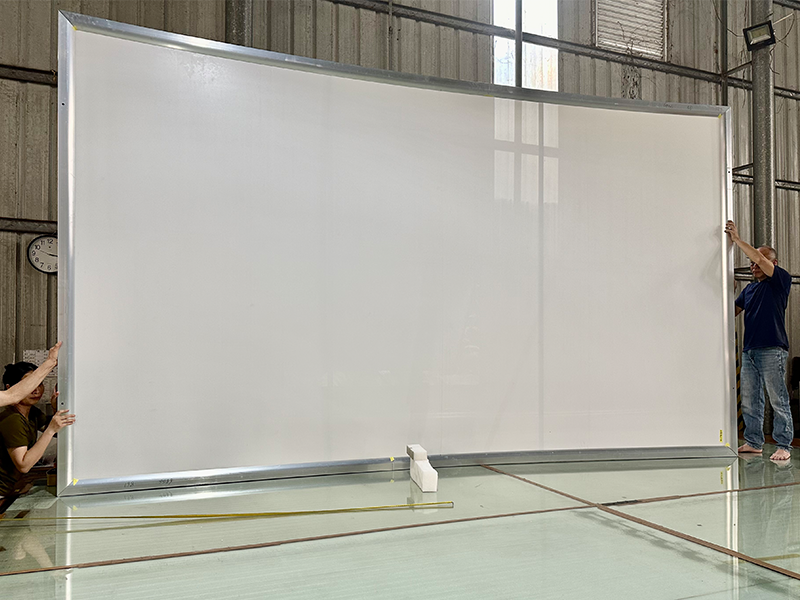
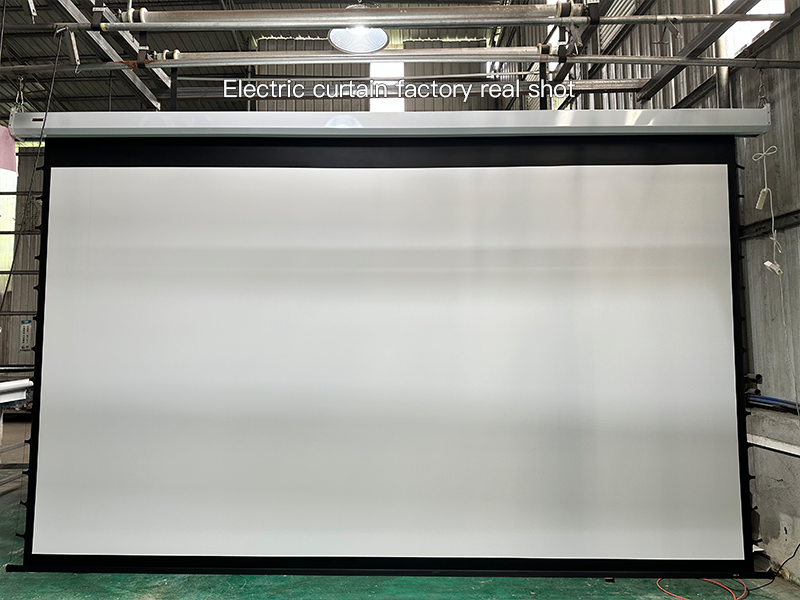
Our ultrasonic cold welding uses 20kHz-40kHz high-frequency vibration to fuse substrates at the molecular level, with no extra thickness at the splicing position and perfect flatness consistent with the original material. After welding, full-frame optical overlapping coating is applied to uniformly reconstruct the optical microstructure of the screen. For materials with gains of 0.8, 1.0 and 1.2, the gain curve fluctuation Δ at the seam can be controlled below 0.02, completely eliminating color difference and refraction difference. For oversized screens of 200-500 inches, we not only install aluminum alloy keels, but also introduce the calculation of longitudinal tension compensation coefficient. By adjusting the tension F of the side cables, we offset the stretching of the substrate caused by the gravitational acceleration g of the screen’s self-weight, preventing gain attenuation in the central area due to stretching and thinning, and solving the sagging deformation of large-size screens from physical principles.
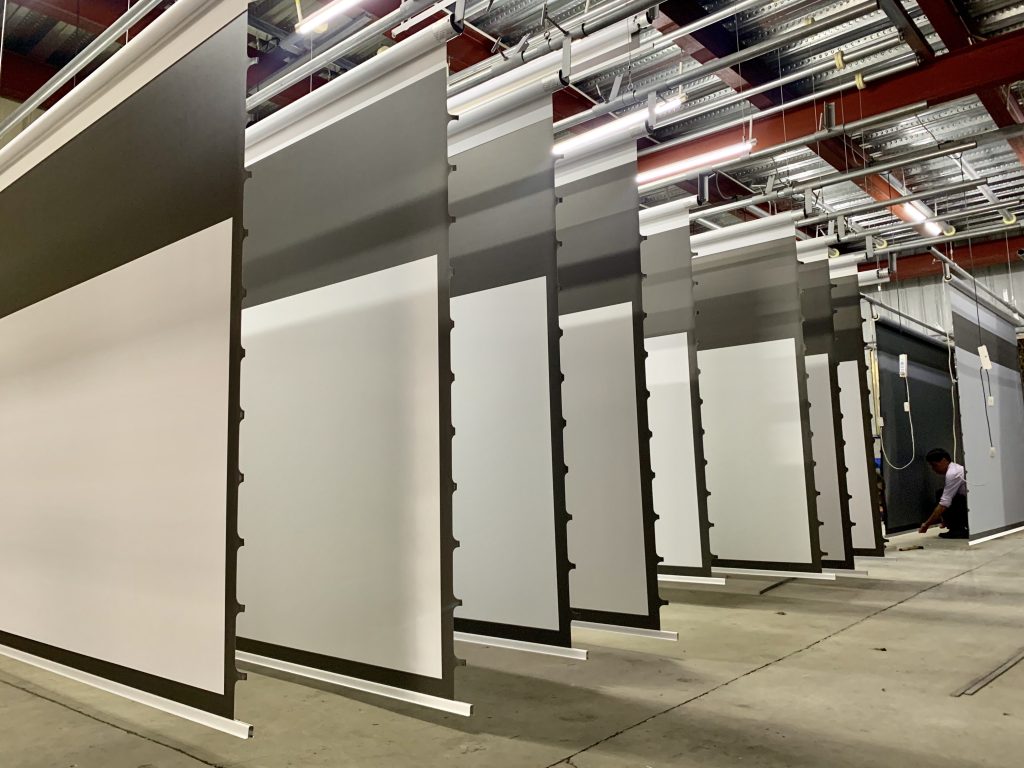
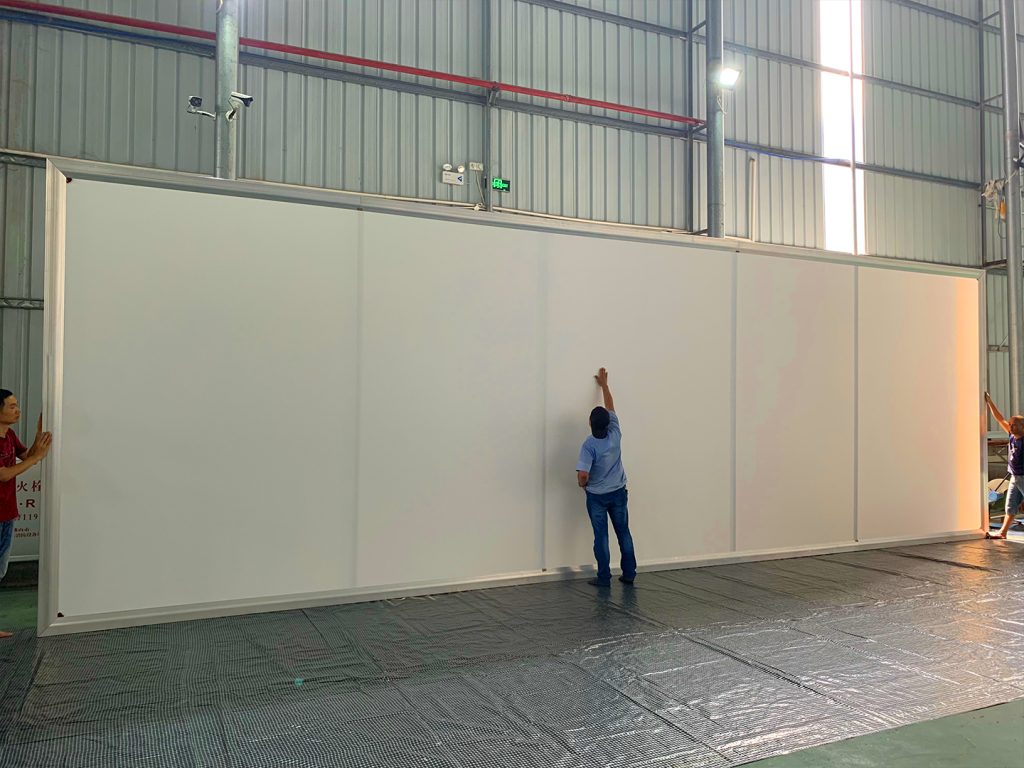
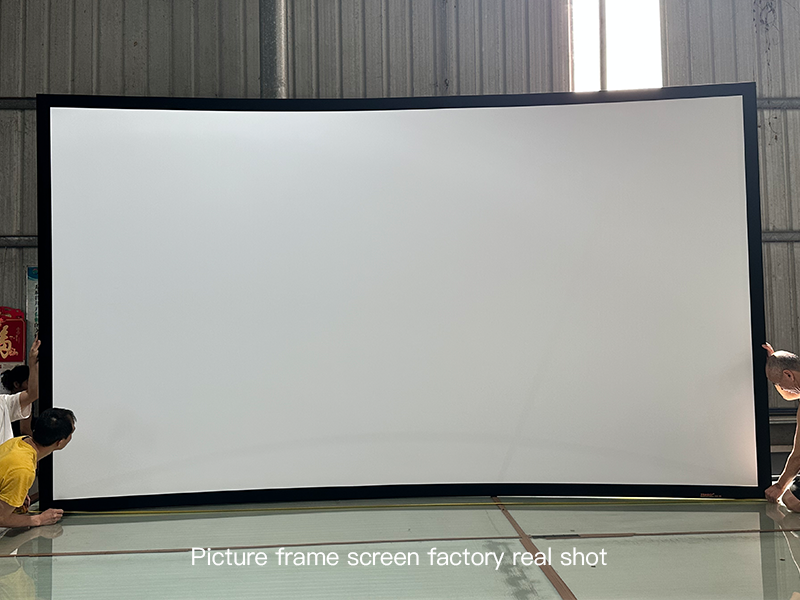
200+ inch seamless spliced engineering projection screens in different scenarios adopt targeted installation logic. For projects requiring 24-hour uninterrupted operation such as power dispatching and data centers, we adopt factory prefabricated modular splicing, completing seamless treatment and tension calibration in the workshop, with only quick assembly on site; for banqueting halls and special-shaped exhibition halls, on-site precise tensioning process is used to adapt to complex spatial structures; for multi-channel fusion immersive scenes, ultrasonic cold-welded seamless engineering screens are equipped to ensure no faults or distortions in screen splicing.
Core Parameter Comparison: Traditional Process vs ZSM Seamless Splicing Standard
| Testing Dimension | Traditional Adhesive/Hot-Press Process | ZSM Seamless Splicing Standard | Core Value |
|---|---|---|---|
| Physical Seam Sensation | Obvious protrusion (0.3-0.8mm), strong step feeling | Step feeling < 0.05mm | No faults in 4K/8K images, completely invisible seams |
| Light Transmittance at Seam | Dark lines caused by glue light blocking, uneven transmittance | 100% uniform light transmittance | Consistent screen brightness, no bright or dark blocks |
| Tensile Strength | Easy to age, degum and crack, service life 3-5 years | Molecular-level fusion, equal to original material strength | Service life over 10 years, no failures in long-term use |
| Ambient Light Rejection (ALR) | Damaged optical structure at seams, invalid light resistance | Optical structure reconstructed by secondary coating | No dead corners in ALR screen splicing, adaptable to bright environments |
| Gain Fluctuation Δ | >0.08, obvious color difference faults | <0.02, consistent full-frame gain | No deviation in color and brightness for high-definition projection |
Logistics & On-Site Engineering: Implementation Support for Oversized Screens
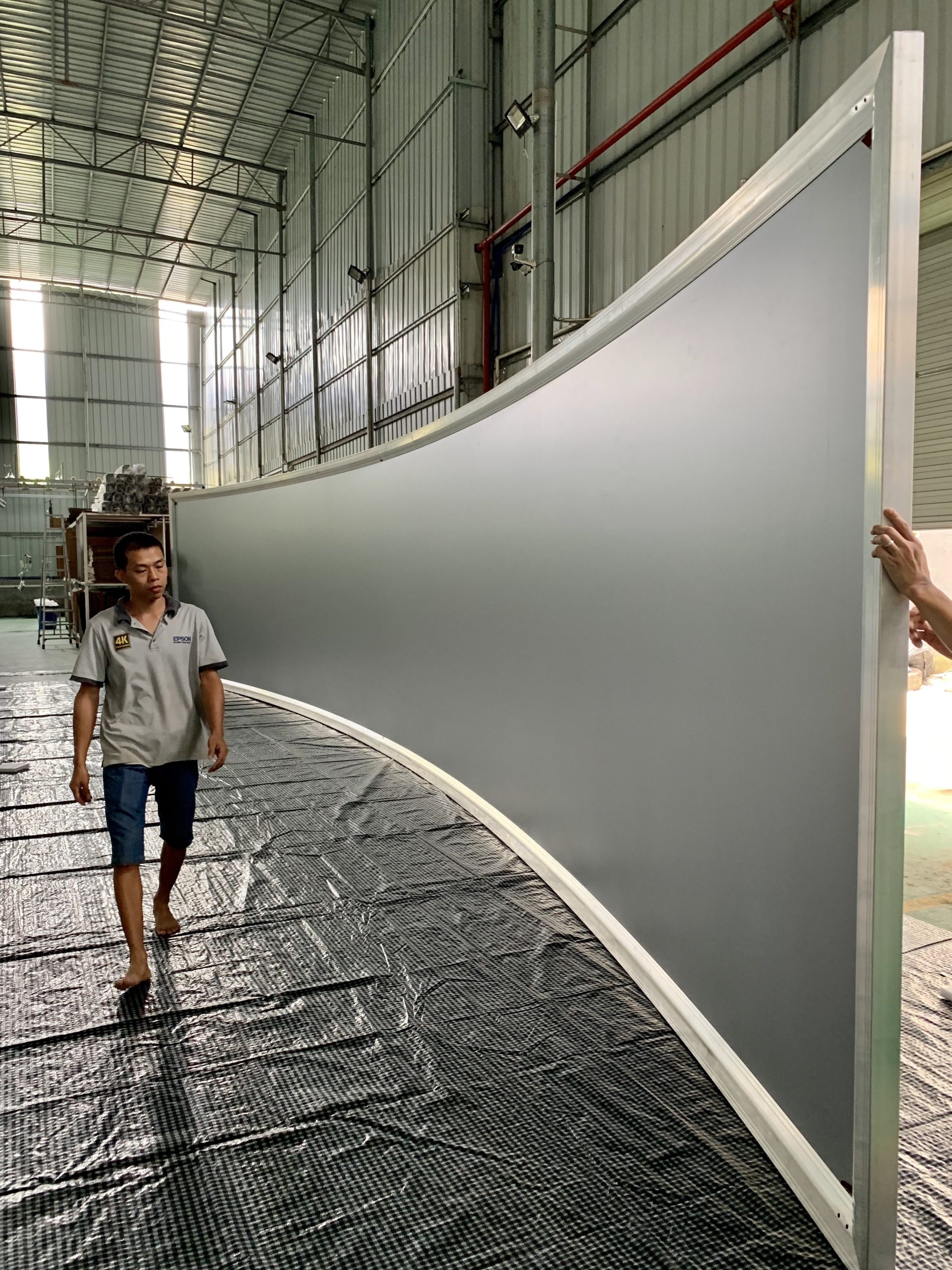
Large Engineering Projection Screens over 200 inches cannot be transported as a whole, so we adopt split modular transportation: rolled screen substrates and disassembled frames, reducing logistics loss and cost. ZSM’s unique flexible substrate memory recovery technology allows physical stress generated by rolled transportation to be completely eliminated within 24 hours after on-site tension adjustment, automatically restoring to laboratory-level flatness without additional ironing or pressing, greatly shortening the on-site construction cycle — a detail highly valued by overseas engineering customers.
FAQ
Q: Can Large Engineering Projection Screens over 200 inches pass strict acceptance of projects such as power dispatching and command centers after splicing?
A: With seam error ≤0.05mm and gain fluctuation <0.02, third-party test reports are available, fully meeting acceptance standards for government-enterprise, dispatching centers and cultural tourism exhibition halls.
Q: Will 500-inch engineering screen splicing technology significantly increase construction and logistics costs?
A: Modular production, split transportation and standardized installation effectively control comprehensive costs and avoid extra expenses caused by rework.
Q: What is the general cycle for customizing oversized seamless projection screens ?
A: The conventional customization cycle for 200-500 inches is 7-15 working days, with on-site installation and commissioning taking 3-7 days. Rush orders can be arranged to match project schedules.
Q: Does three-color laser projection cause speckles on high-definition seamless engineering screens for banqueting halls?
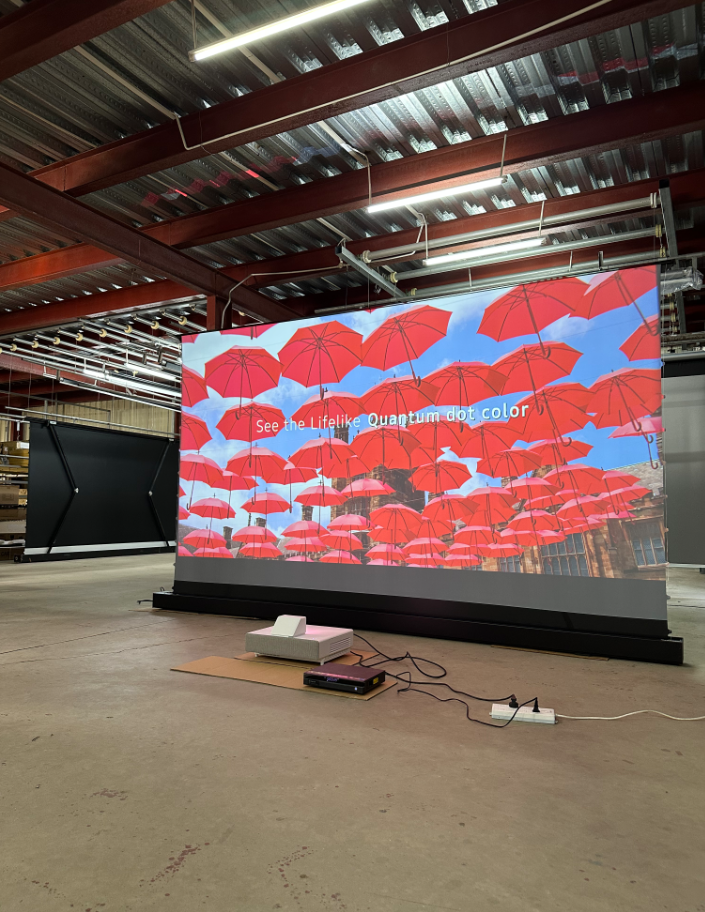
A: ZSM 2.0 optical coating is optimized for speckle suppression in three-color laser projection, and splicing positions are treated with microstructures synchronously to effectively eliminate speckle interference.
For B2B contractors, the core competitiveness of large-size screens is never just large size, but a combination of seamless effect, structural stability, logistics adaptability and long-term durability. Focusing on overseas customization of Large Engineering Projection Screens, ZSM controls the whole process from process R&D to on-site implementation, providing global engineering customers with stable and reliable seamless splicing solutions, making oversized screens over 200 inches truly visually seamless and durable for long-term use.
 Scan QR Code
ZSMSCR Facebook
ZSMSCR Instagram
ZSMSCR X
ZSMSCR YouTube
ZSMSCR TikTok