Welcome to Zsm Audiovisual Equipment(guangzhou)co.,ltd.

news
-
2025 Home Theater Projector Screen Buying Guide: ZSM Custom Shows You How to Choose Between a White Screen and a Gray Screen
1. Common Confusion in Screen Selection: Is White Screen Always Better? In 2025, many home theater users struggle with “choosing white projection screen or gray projection screen” when preparing. Most people first think white screens are better—after all, white screens are traditionally thought to have more transparent and vivid colors, with clearer images. But due to limited knowledge of projection screens, many have misunderstandings about gray projection screens, even ruling them out directly and missing the better option for their scenario. As a professional custom projection screen brand, ZSM has seen many customers fail to maximize device performance because they chose the wrong screen. 2. Core Parameter Comparison Between White and Gray Screens (2025 ...Learn more -
ZSM Custom Projection Screens: Why Choose Them Over White Walls?
1. Dilemma: White Wall vs. Projection Screen—Do You Need Both? Most young users now choose projectors for home audio-visual centers, but a common question arises: “If I have a white wall at home, do I still need an extra projection screen?” The answer lies in real experience—for users pursuing image quality and immersion, projection screens are never “unnecessary accessories”, especially ZSM Custom Projection Screens, which can double the projector’s performance. 2. 4 Core Advantages of Projection Screens in 2025 Brightness & Color ReproductionBoth screens and white walls rely on light reflection, but even basic screens have exclusive reflective coatings (e.g., PVC), ensuring no brightness loss and a gain of 1.0-1.2. In contrast, ordinary white walls often ...Learn more -
How to choose a projector screen in 2025? Custom screens are a must! Comparison test of white walls / budget screens / projection paint
After nearly 5 years in the custom projection screen business, I get questions every day: “Should I choose a white wall or a projection screen for my home?” “Can we get a custom-sized screen for the office that’s easy to move?” Today, let’s break down projection screens in simple terms, plus share the perks of our custom services—you’ll stop overthinking once you read this! First, let’s clarify a key term: projection screen gain. Put simply, it’s a “score” for how well a screen reflects light. The industry defaults to a matte white wall having a gain of 1. If a screen’s gain is <1, it reflects less light than a white wall (great for dark rooms like bedrooms); if gain is >1, it “concentrates” light (perfect for bright spac...Learn more -
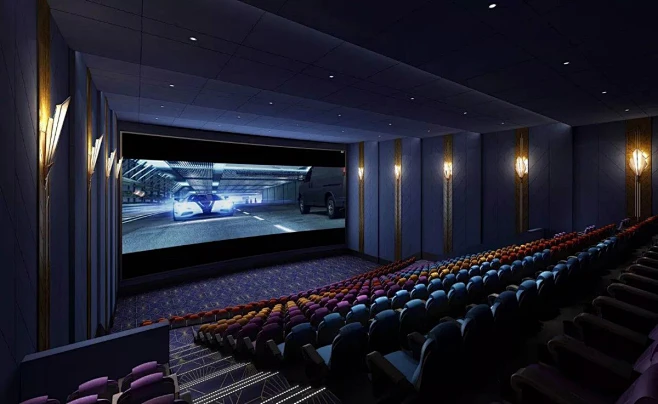
2025 Curved Screen Projection & Projection Screen skill: Can White Walls Really Replace Screens?
Many people wonder “do I need a dedicated projection screen” when setting up a home theater or commercial projection system—some even make do with a white wall. Today, we’ll start with the basics of curved screen projection, break down these questions clearly, and include 2025 test data and a selection table. Whether you need a home setup or a custom solution, you’ll understand after reading! 1. First, What Exactly Is Curved Screen Projection? Simply put, curved screen projection is a multimedia interactive technology that uses circular, arc-shaped, or curved surfaces as projection screens. In 2025, mainstream screen curvatures range from 100° to 360°, divided into two main types: Arc Screen Projection: Screen curvature < 180°, usually using...Learn more -
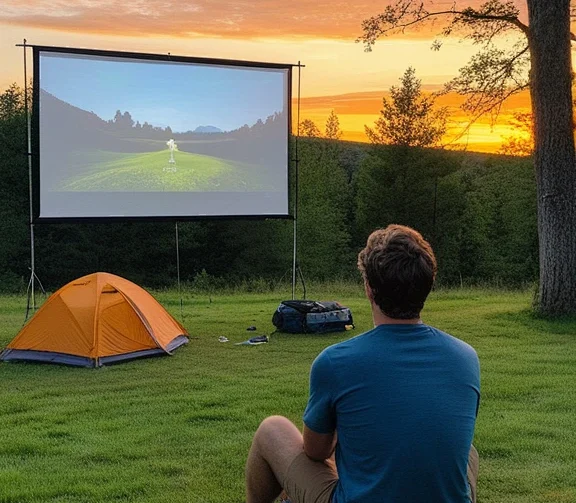
2025 How to Choose a Fixed Frame Projection Screen?
Many people hesitate when buying a projection screen: electric or fixed? Actually, if you have a dedicated viewing area at home or a fixed presentation wall in the office, a Fixed Frame Projection Screen is the “cost-effective king” for long-term use! It stretches the screen flat and wrinkle-free with a frame, offering much clearer images than loose electric screens. In 2025, it even comes with ultra-thin borders and new light-resistant materials. Today, we’ll use plain language to teach you how to choose the right one—beginners can easily follow along! First, understand: Why are more and more people choosing Fixed Frame Projection Screens in 2025? Let’s directly compare it with common electric screens and portable screens to see their pros, cons, and suit...Learn more -
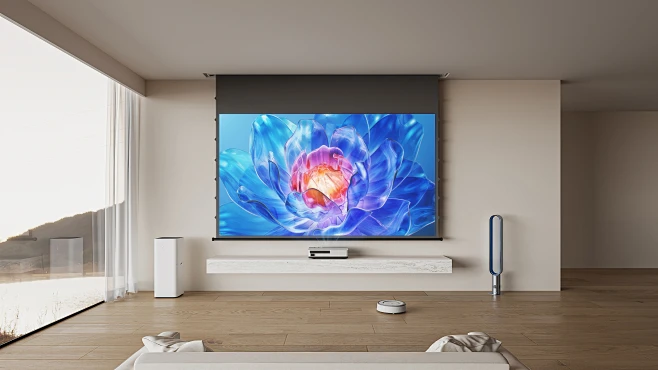
Regret buying a projection screen in 2025? Choose the right scenario for home or business use to avoid waste.
Many people struggle with choosing a projection screen for home theaters or exhibitions—they don’t want to overspend, but also fear cheap screens will ruin the viewing experience. Let’s break down how to pick the right screen for different scenarios in 2025, and we’ll also talk about custom screen options. Even beginners can follow along! 1. Home Theater Screens: Choose Based on “Light + Budget” For home use, start with your room’s lighting and budget—these two factors set the direction. Here’s a practical 2025 selection table: Home Theater ScenarioRecommended Screen TypeKey Advantages2025 Reference Price (100-inch)Bright room, small spaceTextured Plastic ScreenLow cost, easy installation, no worry about wear$15-$45Dim room, medium budgetGlass-Coated Scre...Learn more -
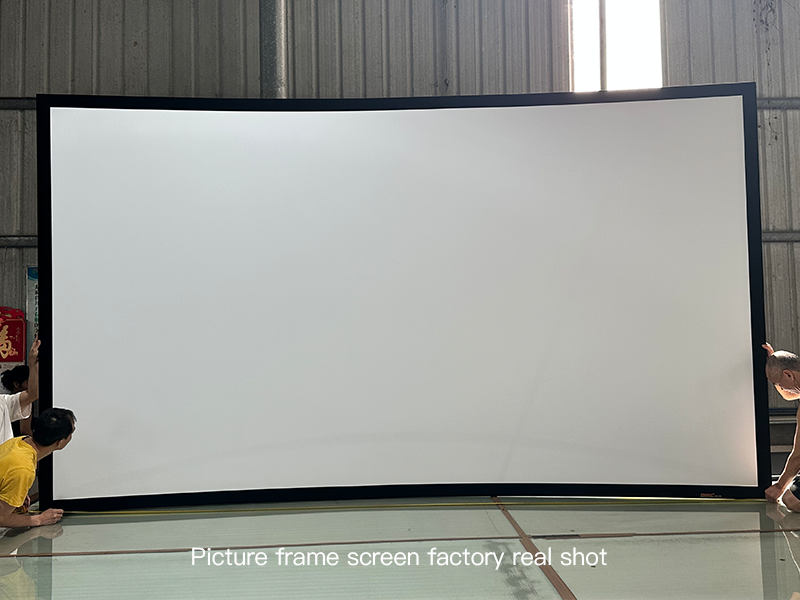
2025 How to Choose Types + Avoid Pitfalls with Recessed Ceiling Projection Screens
1. Let’s Talk Projection Screen Installation Types – 2025 Update Industry reports for 2025 say the global projection screen market has hit over $1.6 billion! For home use, fixed frame projection screens and motorized projection screens are still the top picks – they make up more than 75% of the home market. I’ve put the 4 common installation types into a table so it’s easy to understand at a glance: Installation TypeKey FeaturesSuitable ScenariosLifespan/FlatnessFixed Frame ScreenTension-held for a perfectly flat imageDedicated home theaters, living rooms10+ years / No wrinklesMotorized ScreenAuto Rising and falling (lifts/lowers automatically) to save spaceOpen-concept living-dining areas, bedrooms5-8 years / Minor distortionFloor Pull-Up ScreenNo insta...Learn more -
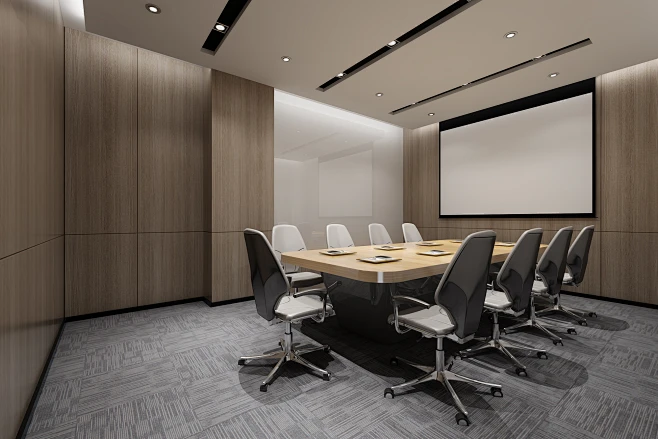
The quality of your projection is half determined by the screen
1. Projection Screens: The Overlooked “Image Enhancer” With the global projection screen market reaching $1.63759 billion in 2024 (projected to exceed $4.3 billion by 2034, CAGR 10.26%), more people realize that a suitable screen can maximize projector performance. Simply put, projection screens are “professional canvases” that boost image quality by optimizing light reflection/transmission—far better than white walls, which scatter light and cause over 30% brightness loss due to surface unevenness. 2.A table to understand screen classification and selection (2025 ) CategoryMaterial FeaturesApplication ScenariosBudget Ratio (of Projector)Reflective (Front Projection)White PlasticFine texture, wide viewing angleMeeting rooms, classro...Learn more -
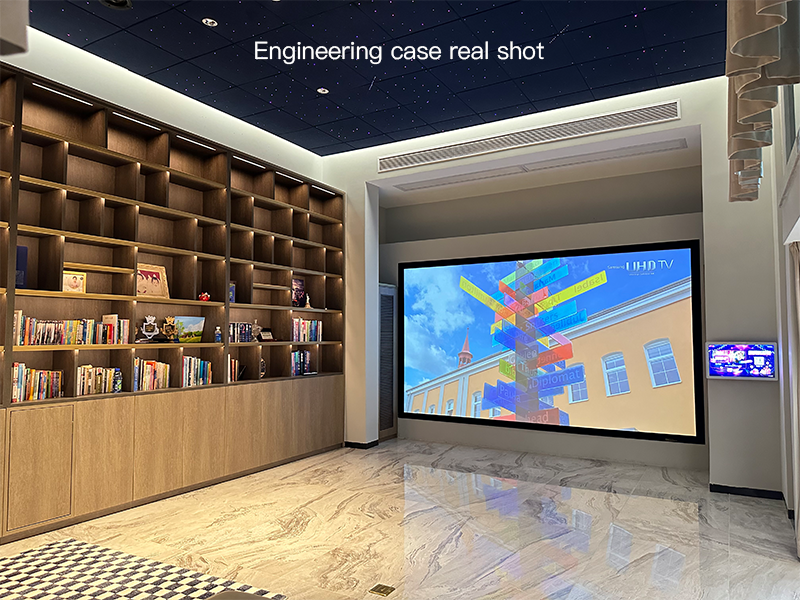
To create a perfect meeting room, apart from customizing the screen, the selection of audio equipment should be like this
1. Why Does Conference Speaker Selection Matter? A successful corporate meeting depends on two core elements: clear audio and high-quality visuals. While many businesses focus on choosing the right conference speakers, they often overlook that a well-matched custom projection screen (like those offered by ZSMSCR) works in tandem with audio to create a seamless meeting experience. However, many people are misled by labels like “solid wood cabinet,” “large diameter,” and “high power” when selecting conference speakers. Below, we’ll break down common misconceptions and share practical tips to help you make the right choice. 2. 5 Core Misconceptions About Conference Speaker Selection Misconception 1: “Solid Wood Cabinet = High-Quali...Learn more -
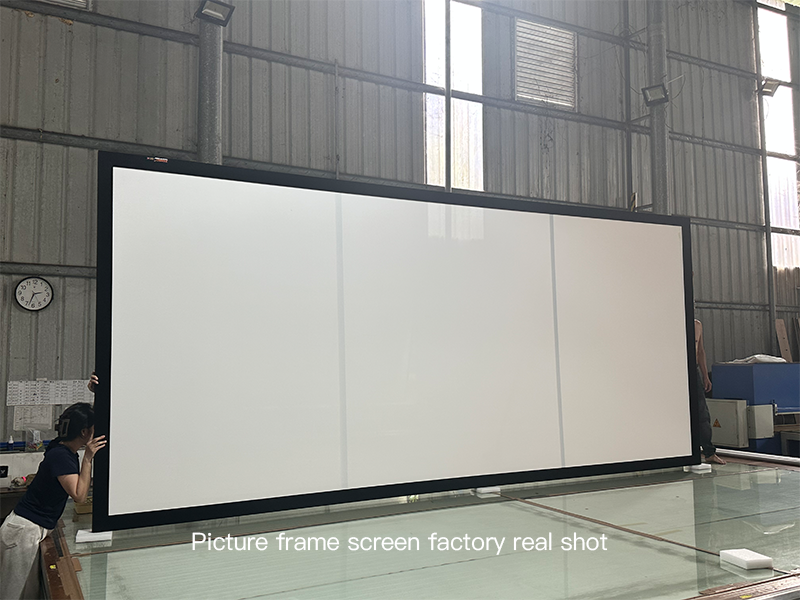
Audio Hum Demystified: 90% Audiophiles Got It Wrong! + Projection Screen Match Guide
1. Movie Night Disaster: When Hum Ruins Your Projection Nothing spoils a movie night like persistent low-frequency hum while your projection screen shows action scenes. Most people immediately ground the amplifier or add shielding—yet the noise remains. 2025 tests reveal: 62% of hum has nothing to do with grounding; the real culprits are hidden in details! 2. 30-Second Self-Check: What Kind of Hum Do You Have? Hum TypeCore CauseTypical FeatureHome Test MethodPower Ripple HumInsufficient capacitor specs100Hz hum, persists when mutedVibrating subwoofer diaphragmGround Loop HumGround potential differenceLouder when AC/fridge turns onDisappears when projector unpluggedWiring InductionAudio cables near power sources“Hissing” grows with hand proximityNoise changes as...Learn more