Welcome to Zsm Audiovisual Equipment(guangzhou)co.,ltd.

news
-
How to Choose Acoustic Transparent vs. Curved Projection Screens?
When building a home theater, screen selection is often more confusing than choosing a projector: Want to hide speakers without sacrificing sound quality? Tired of blurry edges on large screens? The solution lies in choosing the right acoustic transparent and curved projection screens. This article uses 2025’s latest industry data to break down the selection logic in simple terms. 1. Acoustic Transparent Projection Screens: The Secret to “Sound Through” Images Core Value: The Key to Sound-Image Integration Many mistakenly think these screens just “make speaker placement easier,” but their real role is achieving sound-image unity. Hiding front and center speakers behind the screen on the same horizontal line lets dialogue come directly from th...Learn more -

Discover 6 Ways Immersive Projection Screens Are Changing Everything in 2025
I. Immersive Projection Boom: Screen Demand Behind 2025 Market The global naked-eye 3D market has exceeded $50 billion in 2025, with China contributing nearly 40% of the share . As a core supporting technology, immersive projection is penetrating from traditional venues to full scenarios. Unlike standardized screens, custom screens have become a necessity in science museums, real estate and other fields through material adaptation, size optimization and environmental integration. A museum saw a 62% increase in exhibit interaction rate after adopting a circular custom screen, confirming the industry logic of “content is king, carrier is foundation”. II. 6 Application Scenarios & Custom Solutions ScenarioCustom Core RequirementRecommended MaterialEff...Learn more -
Is Your Projector Underperforming? The Wrong Screen Could Be Wasting Its Potential
1. Core Parameters: Understand Jargon in 3 Minutes Gain: A “Brightness Magnifier” That Isn’t Better When Higher Gain measures light reflection capacity (1.0 for perfect diffuser), while half-gain angle (viewing angle when brightness drops to 50% of peak) is more critical: 1.0-1.3 Gain: Ideal for home/meeting rooms, balancing brightness and 160° wide viewing angle >1.5 Gain: Prone to “bright center, dark corners”, only for small spaces with single viewing spot Quick formula: Actual brightness = Screen gain × Projector lumens (e.g., 1.1 gain + 1000 lumens = 1100 lumens effect) Size & Aspect Ratio: Match Precisely to Avoid Waste Aspect RatioApplication ScenarioCalculation Tip4:3 (1.33:1)Business presentationsWidth = Diagonal ...Learn more -
How to choose a projection screen? One formula + a simple test to help you find the best size
1. Stop Buying Blind! The “Golden Rule” of Projection Screen Size Lies in Viewing Distance Choosing the sofa position first before picking a screen? It’s a mistake 90% of households worldwide make! The 2025 Global Projection Screen Market Report shows that global demand for home projection screens has reached 31.2 million units, yet over 60% of users compromise their viewing experience due to wrong size choices. Decades ago, two renowned international audio-visual institutions, THX and ISF, revealed the core principle: the right screen size is determined by viewing distance . 2. Understand the Professional Formula in 3 Minutes The relationship between viewing angle and distance can be calculated by the formula: A=1/2tgα/2 (A = ratio of viewing distance...Learn more -
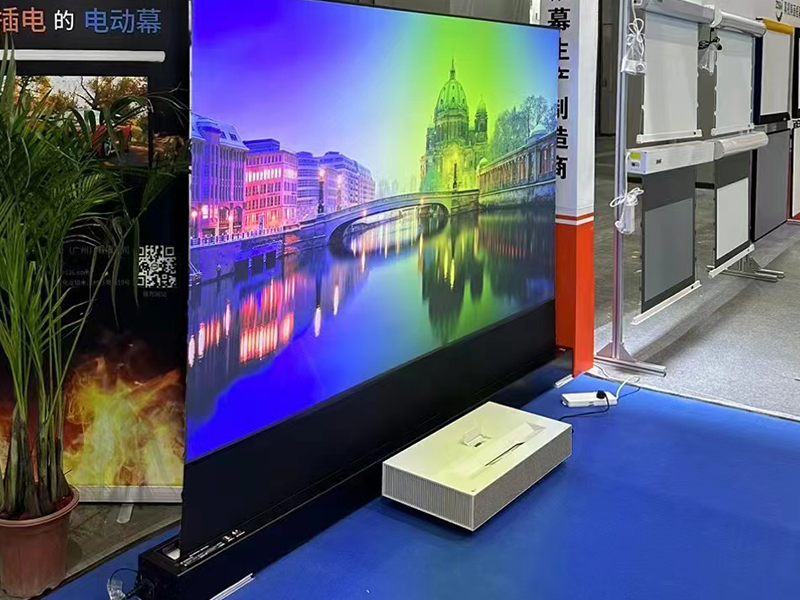
2025 Home Theater Projector Screen Tips: Avoid Pitfalls, Make Movie Nights Awesome
1. First Question: Do You Really Need a Projector Screen? Many people wonder if a white wall works as a screen. The answer is: Yes, but the effect is far worse! You must get a screen in these three cases: Substandard walls: With sockets, paintings, or non-white wallpaper Pursuing cinema-level effects: Walls can’t solve grayish images or low contrast Special needs: Outdoor camping, renting a house (no drilling allowed) 2. Core Categories: Understand Screens in 3 Minutes 1. By Installation Type (Fit Different Home Scenes) TypeFeaturesSuitable ScenariosManual PullHand-operated, portableRenting, temporary useElectricRemote-controlled, hiddenLiving room, furnished homeFloor-standingNo drilling, movableBedroom, outdoor campingFixed FrameMirror-flat, best i...Learn more -
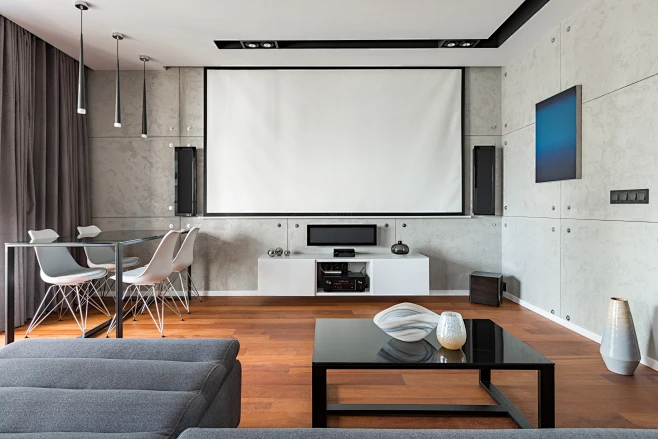
Why White Matte Screens Remain a Timeless Smart Choice
you’ve finally bought that coveted HD projector, dreaming of creating a private home theater. But when you project onto a plain white wall, the colors look washed out, details are blurry, and the image is almost invisible during the day… What’s the issue? The problem might not be your projector, but the lack of a professional projection screen! Among various screen materials, the White Matte Screen continues to win global favor for its all-around, balanced performance. Today, let’s dive deep into this “all-rounder” from the perspective of its physical properties. 1. Core Advantages of White Matte Screens: Balance is King The White Matte screen is often called the “Swiss Army Knife” of projection screens, renowned for its versatility and uniform r...Learn more -
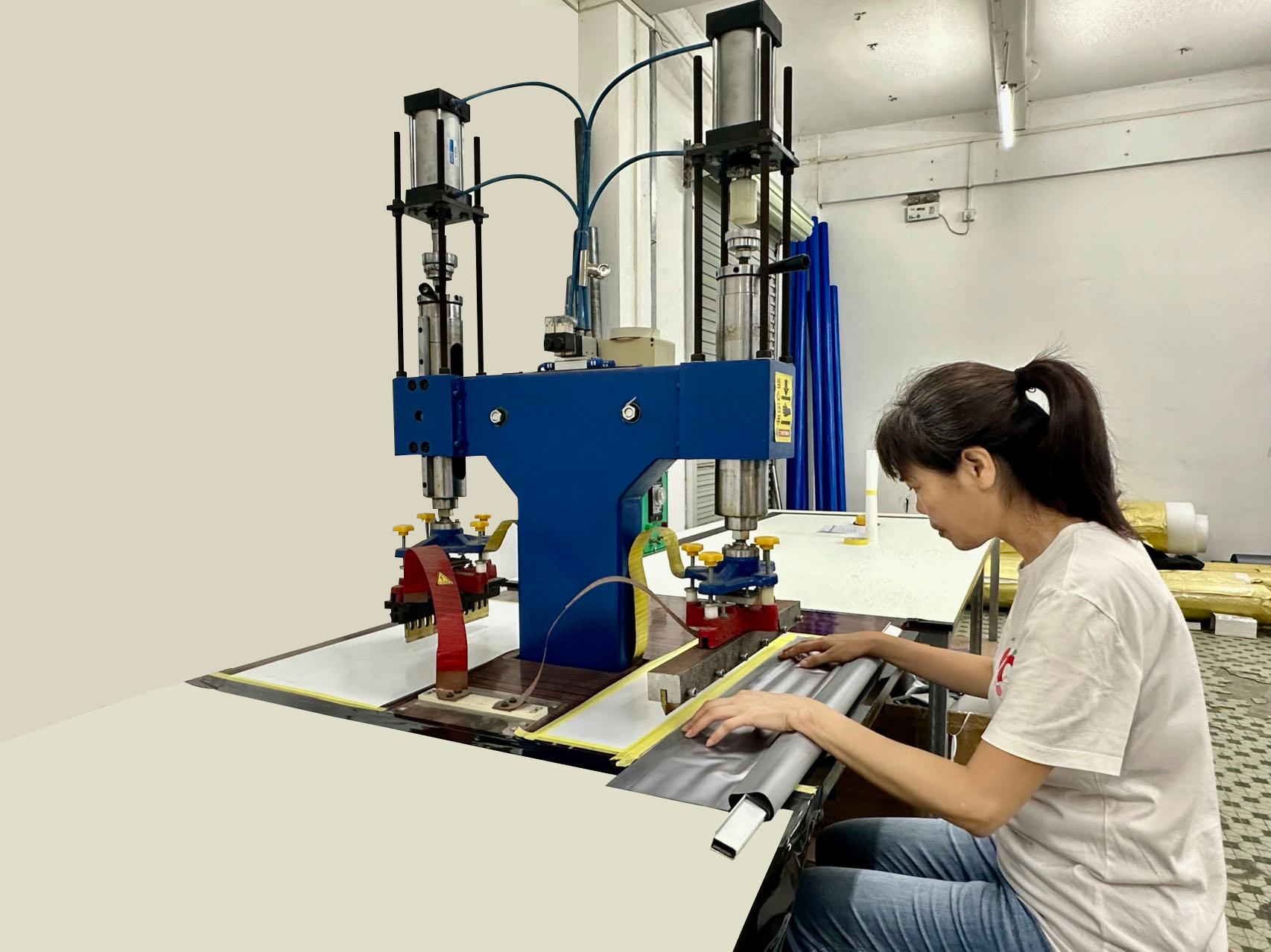
Is a Projection Screen Just a “Decoration”?
You’re watching a cartoon with your kid in the living room on a weekend, and sunlight filters through the curtains—suddenly the image on the white wall turns gray, and the character’s hair becomes blurry. Or in a meeting room, colleagues sitting on the side keep complaining that the chart colors are distorted. Have you ever experienced such awkward moments? Data in 2025 shows that China’s annual output of projection screens has reached 11.143 million pieces, and more people are realizing: A good projector needs a good screen as a “partner”—screens are by no means dispensable accessories. 1. Can White Walls Really Replace Screens? Many people think, “Projecting onto a white wall is fine; screens are a waste of money.” But practical ...Learn more -
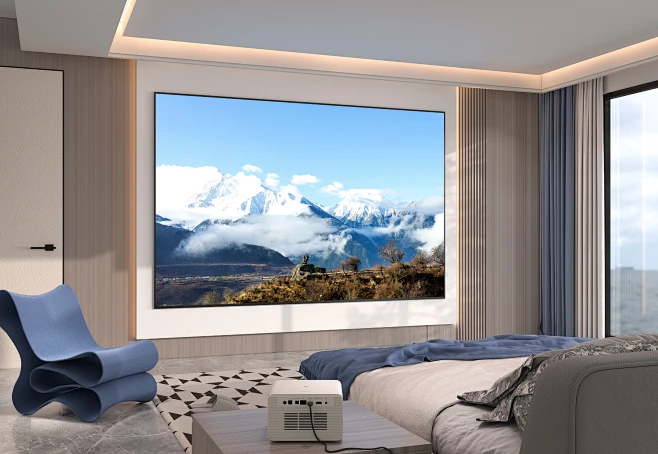
Gray vs. White projectionScreen: Why Ambient Light Matters for Your Projector
Global projection screen market hit $1.63759 billion in 2025, with a 10.26% CAGR expected through 2035 . But 67% of buyers still struggle choosing between white and gray projection screens . Let’s break this down. 🎯 Core Differences (2025 Updated Data) FeatureWhite Screens (e.g., Fiberglass)Gray Screens (e.g., Fiberglass)Gain Value1.2 (brighter center)0.9 (softer light)Viewing Angle>160°>160°Ambient Light ResistanceLow (needs dark rooms)High (cuts glare 40%+)Color AccuracyD65 (6500K) via calibrationD65 (6500K) via calibrationBest ForDedicated home theatersLiving rooms/open spaces 🏠 Real-Life Scenarios Living Room Cinema: Mr. Li’s bright living room had washed-out whites with a white screen. Switching to a gray fiberglass screen eli...Learn more -
How to Choose the Right Projection Screen Size?
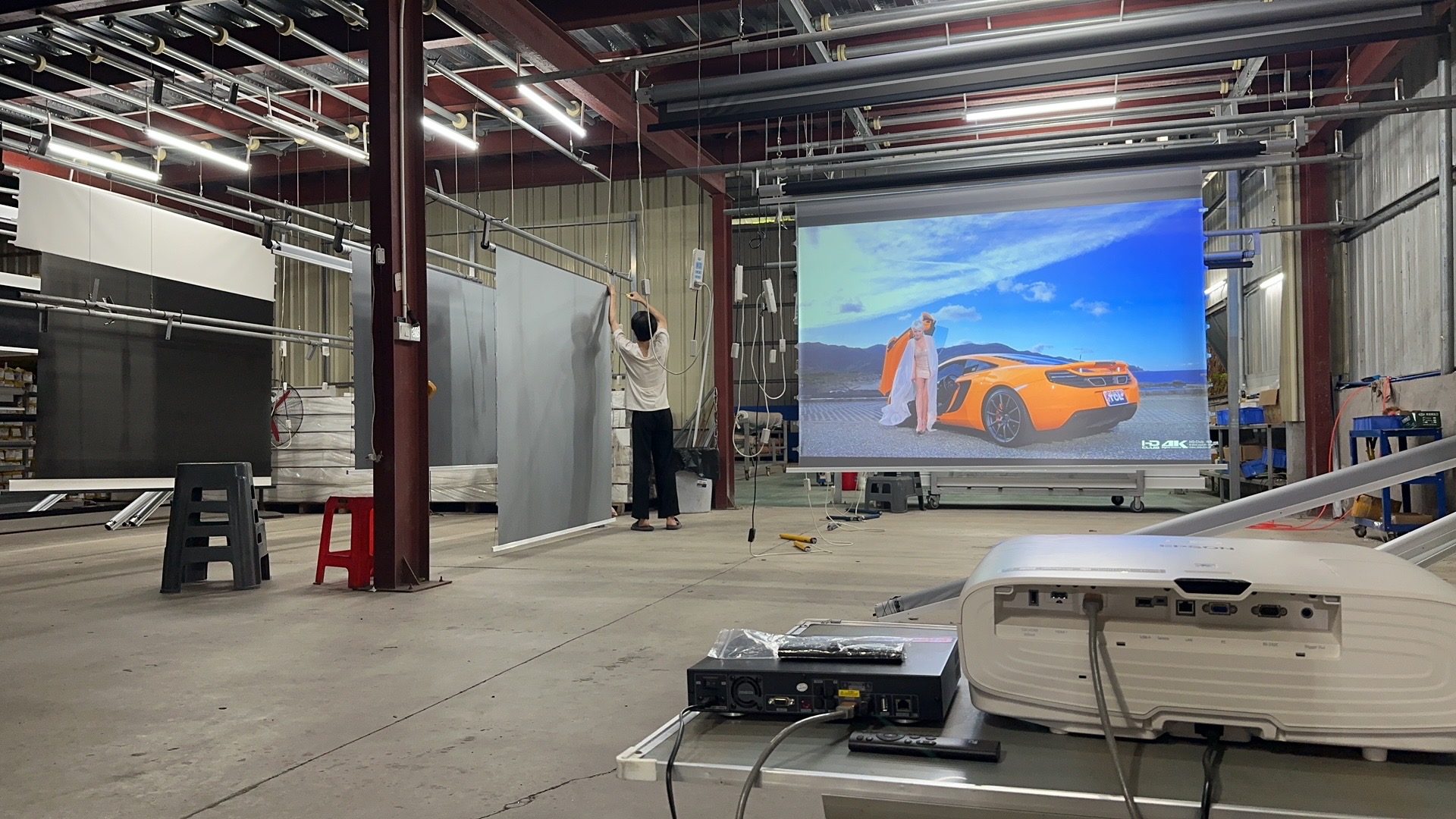
Imagine settling into your sofa for a movie night, only to squint at a tiny screen or crane your neck to see the top of the image. Withhome projectors growing in popularity, selecting the perfect projection screen size has become make-or-break for your viewing experience. The key lies in balancing three factors: screen aspect ratio, viewing distance, and your room’s dimensions. Let’s break this down with real-world tips and updated data. 1. Aspect Ratio: 16:9 vs. 2.39:1 The first decision is aspect ratio, which affects both image size and eye comfort. Aspect RatioBest ForKey AdvantagePotential Drawback16:9Sports, TV shows, gamingFits most modern contentTaller image may cause eye strain up close2.39:1 (Cinema Scope)Blockbuster moviesWider, immers...Learn more -
2025 Projection Screen Cleaning: Home to Commercial Quality Guide
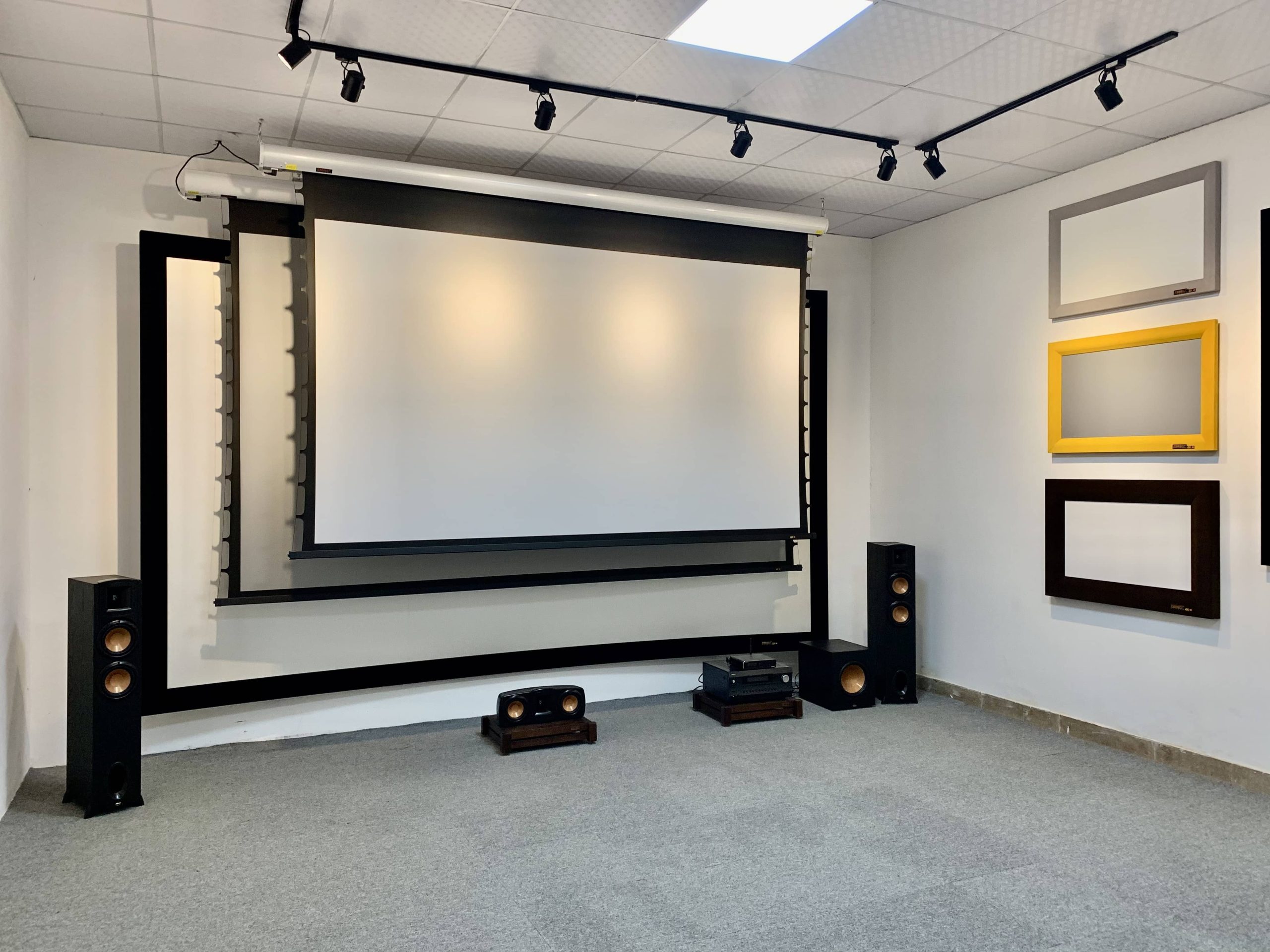
Unlike LCD TVs, projectors can cast images on screens, white walls, desktops, and even special surfaces like water curtains or rockeries. However, only with a clean screen can you enjoy 4K-level delicate picture quality. Whether it’s juice stains from kids in home theaters or coffee spills in meeting rooms, screen dirt can easily ruin viewing and working experiences. As a professional team specializing in custom projection screens, we’ve compiled this practical cleaning guide based on the latest 2025 screen material characteristics, plus Q&A to help you maintain your screen easily. 1. Scene-Specific Stain Removal: Target the Right Solution Stain types vary greatly across scenarios, and blind cleaning will only make things worse. Here are solutions for three h...Learn more