
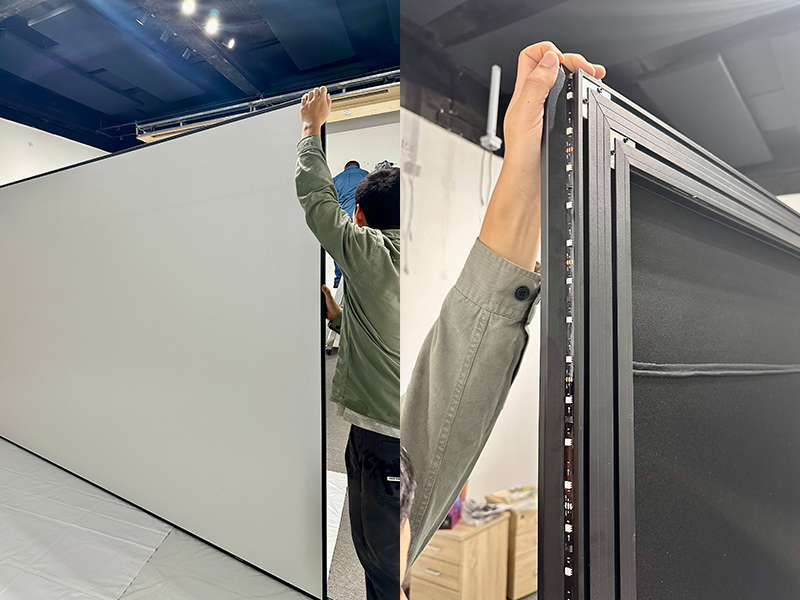
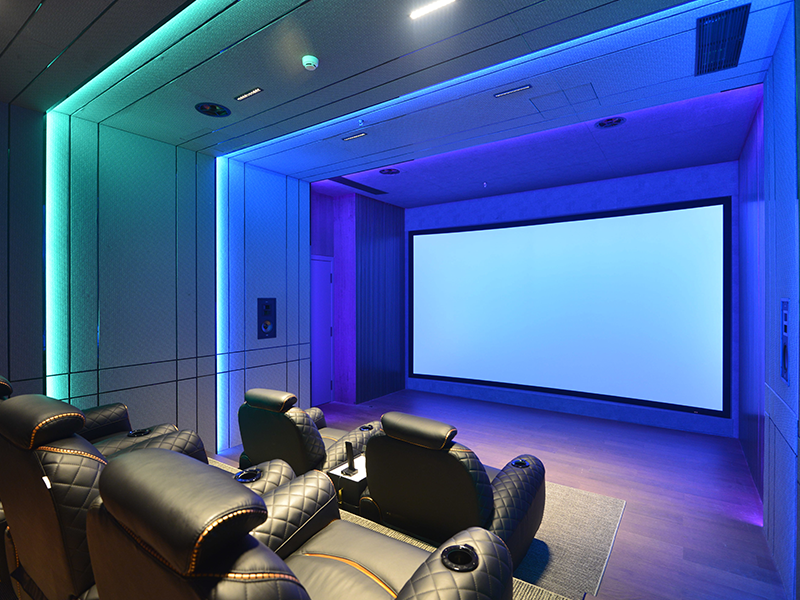
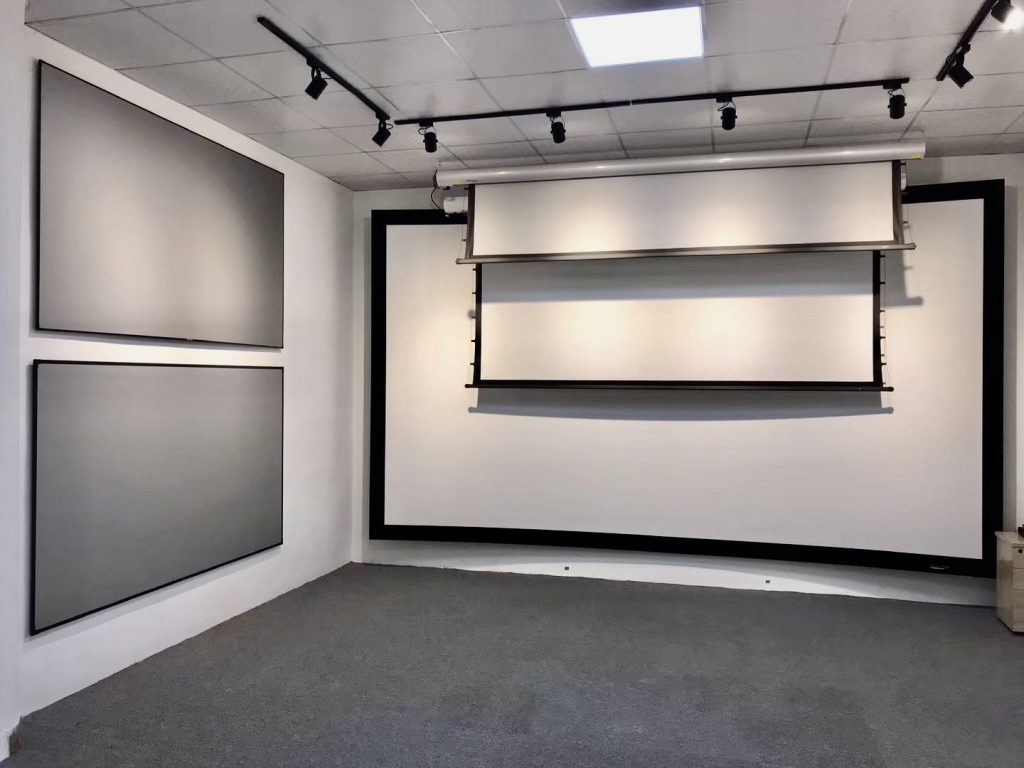
Minimalist homes pursue “concealment and integration,” and the Custom Embedded Sound-Transparent Anti-Light Projection Screen perfectly resolves the contradiction between “redundant devices damaging space” and “compromised audio-visual experience”—it embeds into ceilings or walls for “visual invisibility,” and combines sound-transparent and anti-light capabilities, becoming an AV essential for minimalist homes.
1. 3 Core Advantages of the Custom Embedded Sound-Transparent Anti-Light Projection Screen
Compared with traditional external screens, it is more irreplaceable in minimalist scenarios:
- Spatial Invisibility: After embedding, it connects seamlessly with ceilings/walls, leaving no protruding marks and not ruining the “sense of blank space” in minimalism;
- Audio-Visual Synchronization: Micro-hole sound-transparent technology lets sound pass through the screen, allowing speakers to be hidden behind it for an “audio from the screen” experience;
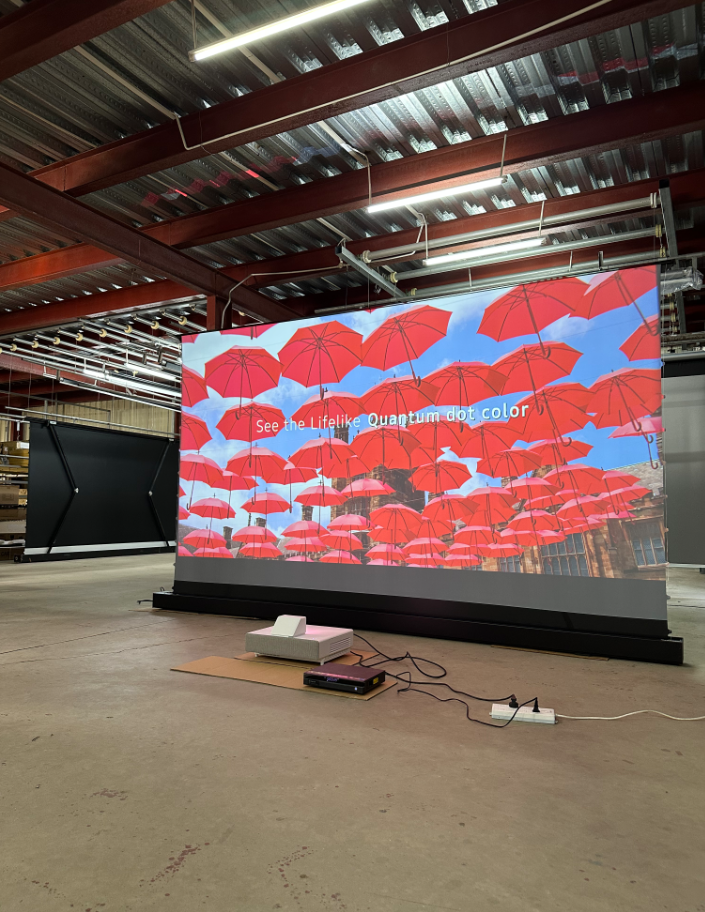
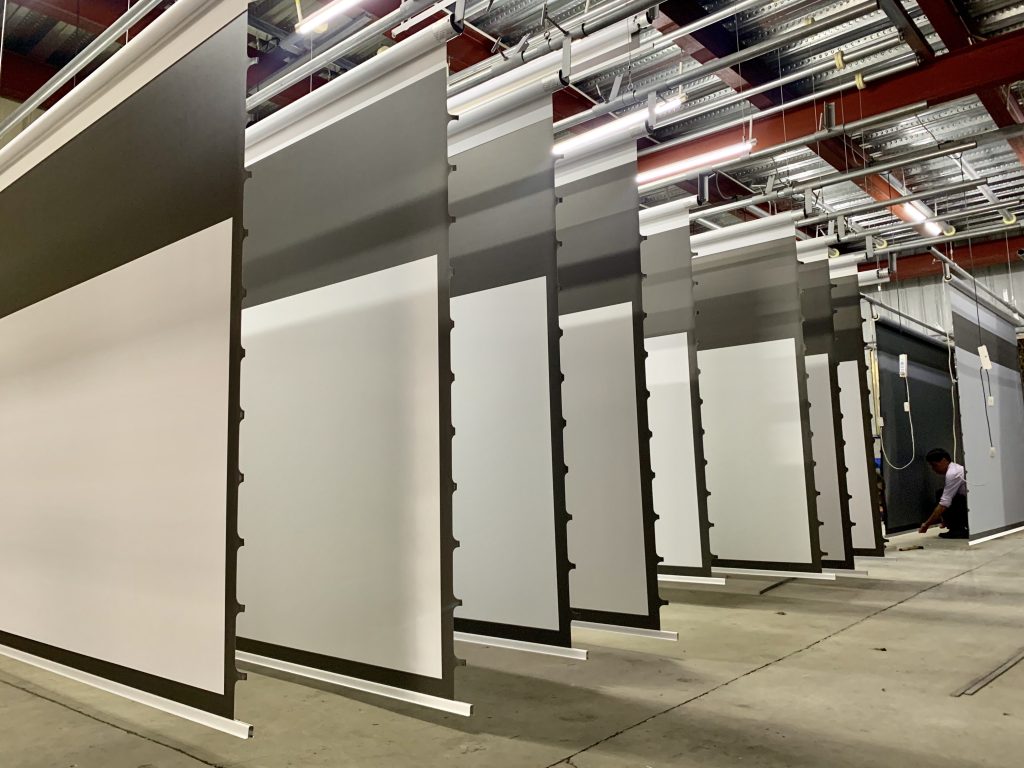
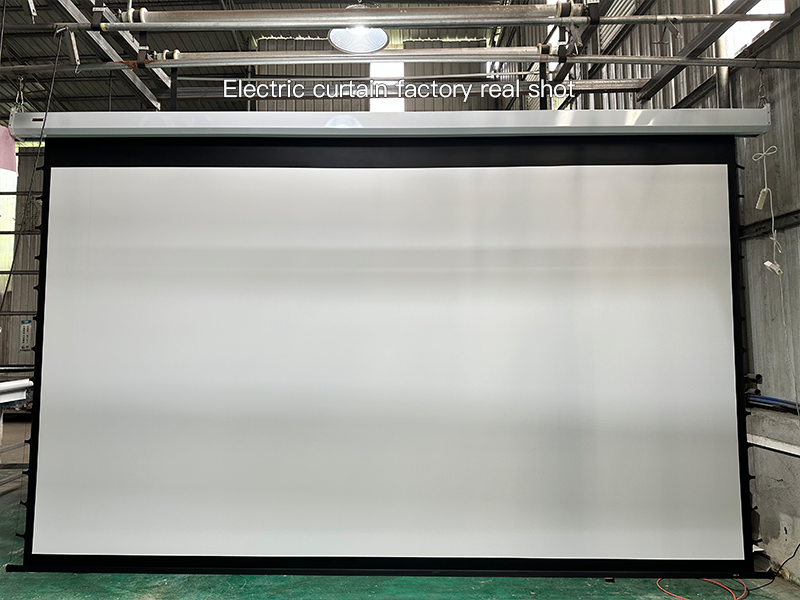
- Environmental Adaptability: Fresnel or Black Grid anti-light layers filter natural light and lamp light, delivering clear images even without drawing curtains during the day—no dark room needed.
2. Adaptation Plans for Different Minimalist Styles
| Minimalist Style | Screen Customization Points | Installation Location | Matching Tips |
| Nordic Minimalism | White/light gray frameless, slot edged with same-color gypsum lines | Living room TV wall ceiling | No main lights, avoid direct light on the screen |
| Modern Light Luxury | Ultra-narrow black aluminum frame (≤1cm) | Bedroom wall behind the bed | Link with smart lights, auto-dim during viewing |
| Japanese Wood Style | Slot wrapped in wood-colored decorative strips | Living room ceiling near windows | Hide projector in low cabinets, reduce exposed devices |
| Industrial Minimalism | Slot kept in original cement color, no extra decoration | Open-space ceiling | Echo exposed pipes, highlight industrial style |
3. Frequently Asked Questions (Q&A)
Q1: When to involve installation in renovation?
Must be before ceiling construction: Reserve a slot based on screen size (width = screen width + 5cm, depth ≥18cm), pre-embed power cables and speaker cables to avoid damaging the ceiling later.
Q2: Do micro-holes affect picture clarity?
No. Micro-holes are only 0.1-0.3mm in diameter—imperceptible to the naked eye and won’t block light; instead, hiding speakers reduces interference with the screen’s visual focus.
Q3: Is anti-light effect related to screen size?
Yes. For 100-120 inches (bedrooms), choose basic Fresnel anti-light; for 150+ inches (living rooms), upgrade to double-layer anti-light (Fresnel + Black Grid) to filter strong light.
Q4: Service life and maintenance?
8-10 years under normal use. Simple maintenance: dust with a dry soft brush, lower/raise 1-2 times a month to prevent wrinkles, and avoid sharp objects to protect micro-holes.
4. 4-Step Installation Process
- Design Confirmation: Confirm size (e.g., 120-inch 16:9) and location with designers and manufacturers, and obtain the Installation Drawing;
- Ceiling Reservation: Carpenters make the slot as per the drawing, reserve a switched power cable, pre-embed oxygen-free copper speaker cables, and smooth slot edges to prevent light leakage;
- Embedded Installation: After ceiling completion, manufacturers install the screen host, adjust the track, and test sound-transparent and anti-light effects;
- Finishing & Beautification: Cover slot gaps with same-color decorative strips; for wall-embedded screens, add same-material wall panels for consistency.
5. Conclusion
The Custom Embedded Sound-Transparent Anti-Light Projection Screen is both a professional AV device and a home design element—it takes no extra space, doesn’t ruin tidiness, and turns living rooms/bedrooms into private cinemas in seconds. It’s the best choice for minimalist lovers to balance “function and aesthetics.”
 Scan QR Code
ZSMSCR Facebook
ZSMSCR Instagram
ZSMSCR X
ZSMSCR YouTube
ZSMSCR TikTok