
For budget-conscious tech enthusiasts, choosing a projector is easy, but picking the right Custom Projection Screens is tricky—parameters like material, gain, and light resistance directly determine whether your viewing experience feels “cinema-worthy.” Today, we’ll break down the core logic of screen materials based on real-world scenarios and recommend 6 foolproof electric models, helping you get professional home theater effects without overspending.
I. Material is Key to Clarity: Comparison Table of 4 Main Materials
The clarity of a projection screen essentially depends on its ability to optimize light. Different materials vary significantly in light reflection and anti-glare performance—here’s a quick guide to match your needs:
| Material Type | Gain Range | Core Advantages | Suitable Scenarios |
|---|---|---|---|
| PET Optical Film | 1.7-2.1 | Accurate color reproduction, sharp dark details | Home theaters, dark living rooms, laser projectors |
| White Plastic/Fiberglass | 1.0-1.3 | Uniform diffuse reflection, cost-effective | Living rooms, meeting rooms, mixed lighting environments |
| Optical Microstructure | 1.2-1.5 | Strong light resistance, reduces screen whitening | Tri-color laser projectors, bright living rooms |
| PVC Soft Screen | 1.1-1.2 | Flexible, wrinkle-resistant, waterproof | Renters, dormitories, small apartments |
Quick Q&A
Q: Why is material crucial for screen clarity?A: The core function of a projection screen is to optimize light reflection. Different materials have varying abilities to refract and absorb light—for example, anti-glare materials filter ambient light, while high-gain materials amplify projection brightness, ultimately affecting image sharpness and color accuracy.
II. 6 High-Cost-Effective Electric Custom Projection Screens: Real Tests
- ZSM Smart Laser-Specific Screen
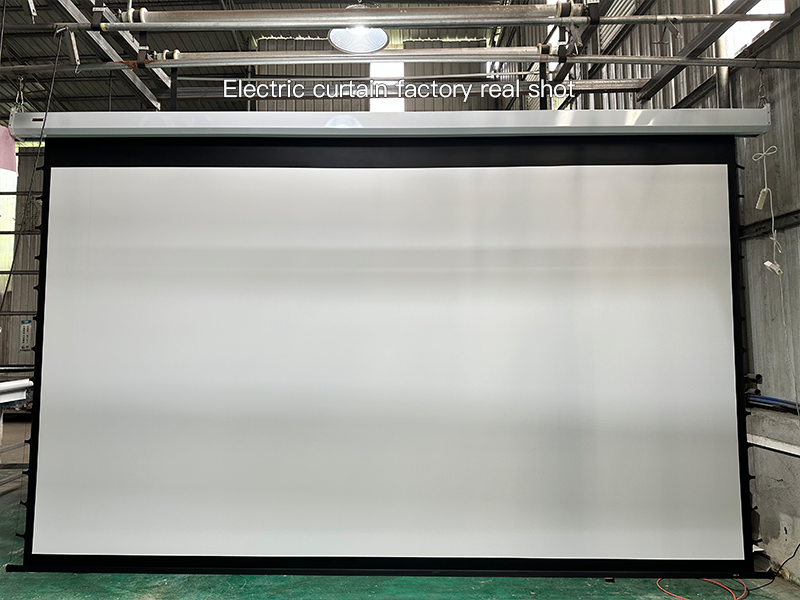
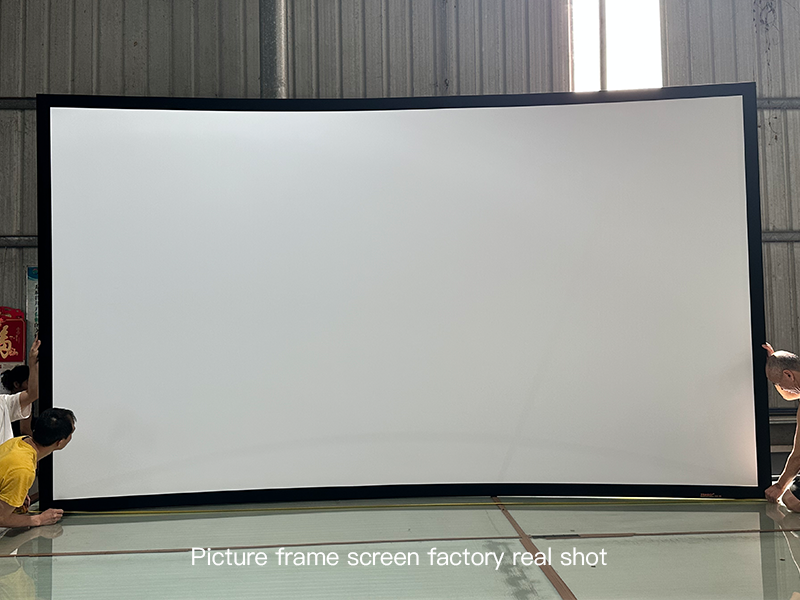
With PET optical film and 1.7 gain, it perfectly enhances the sharpness of laser projectors. In tests, when playing Dune: Part Two, sand grain textures and spaceship metal reflections were clearly visible. Features an 8mm ultra-narrow bezel and anti-moisture coating, ideal for humid southern climates.Suitable for: Professional home theaters, dark living rooms - ZSM Universal Electric Screen
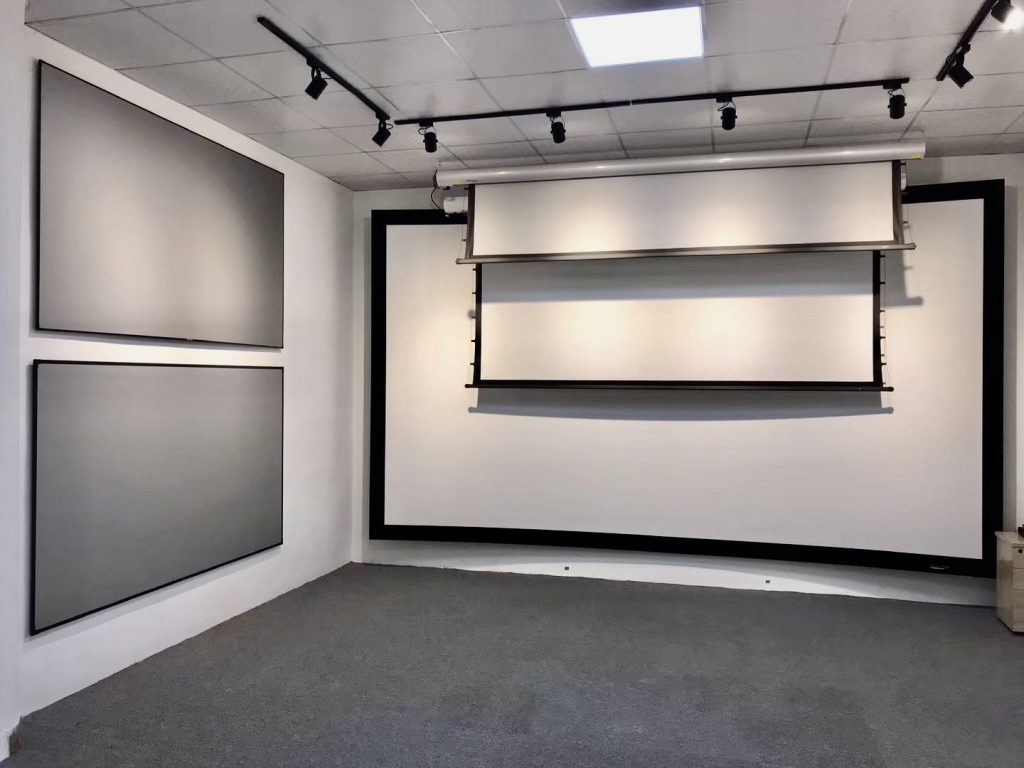
The 16:10 aspect ratio seamlessly fits office PPTs and 16:9 movies (only 4.8cm top/bottom black bars). White plastic material ensures clear images even with curtains drawn during the day—when playing Oppenheimer, facial wrinkles and explosion light transitions were natural and non-glaring. With a quiet motor (≤35dB), it won’t interrupt meetings.Suitable for: Meeting rooms, living rooms, online classes - ZSM Floating Photon Electric Screen
Micro-lens array technology reduces side-projection distortion (±15°) by 42% compared to ordinary screens. Supports remote and mobile APP control—you can retract it from bed. Dual-sided power supply solves wall socket placement issues, and a scratch-resistant coating withstands kids’ touches. Compatible with mainstream models like XGIMI H6 and Nuts J10S.Suitable for: Bedrooms, kids’ rooms, side-projection setups - ZSM Home Theater White Plastic Screen
It fully displays the underwater fluorescent details of Avatar: The Way of Water in 4K, with no ghosting in 3D mode. The 10-meter remote control lets you adjust height from the sofa. Its 12kg thickened shell ensures stable wall mounting.Suitable for: Villa living rooms, private theaters, large gatherings - ZSM Ultra HD Anti-Glare Electric Screen
Optical microstructure material is designed for tri-color laser projectors. When paired with XGIMI RS 10 Ultra, it reduces laser speckles by 75% while maintaining 8K sharpness. Supports voice control via Xiaoai and Tmall Genie—just say “retract the screen” to operate. Flush-mount design blends with walls.Suitable for: High-end home theaters, laser TV alternatives - ZSM Portable PVC Electric Screen
It remains smooth without wrinkles after 60 curls, perfect for renters who move frequently. Waterproof and moisture-proof, it works well during rainy seasons. Its short-throw compatibility allows an 80-inch projection from just 1 meter away, turning small bedrooms into cinemas.Suitable for: Renters, dormitories, small apartments
III. 3 Key Tips to Avoid Mistakes
- Don’t chase oversized screens: Screen width = projection distance × throw ratio × 0.85 (for installation space). Example: 2.6m projection distance + 1.1:1 throw ratio = maximum 100-inch screen (2.6×1.1×0.85≈2.43m), otherwise the image edges will be cropped.
- Choose anti-glare based on environment: Opt for optical microstructure/anti-glare white plastic for bright living rooms, PET optical film for dark home theaters, and PVC soft screens for mobile use.
- Prioritize compatibility for installation: Low-gain screens for side projection, high-gain for front projection; flush-mount for built-in setups, portable electric models for temporary use.
Choosing the right Custom Projection Screens can double your projector’s performance! Whether it’s a home theater, living room, or small rental bedroom, these 6 models cover all needs. No need to stress over parameters—just pick based on your scenario. After all, enjoying professional viewing experiences on a budget is the ultimate goal of tech consumption!
 Scan QR Code
ZSMSCR Facebook
ZSMSCR Instagram
ZSMSCR X
ZSMSCR YouTube
ZSMSCR TikTok