
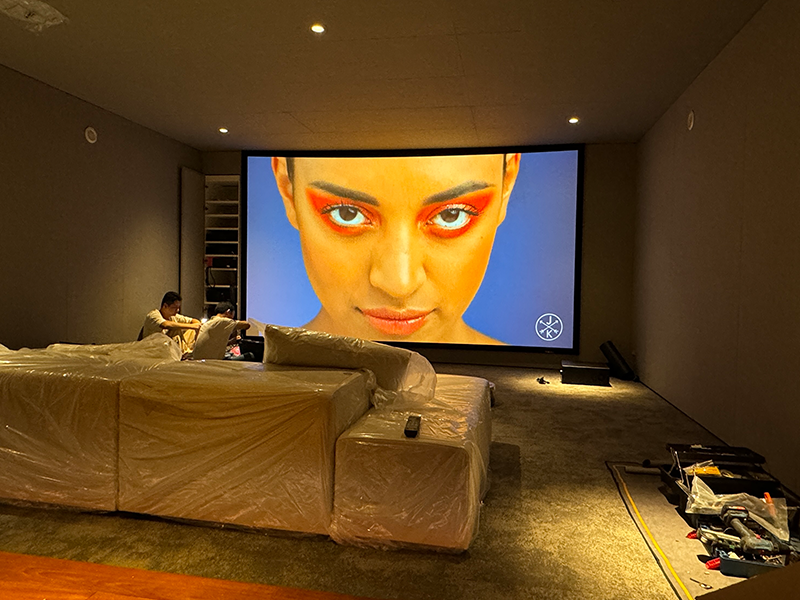
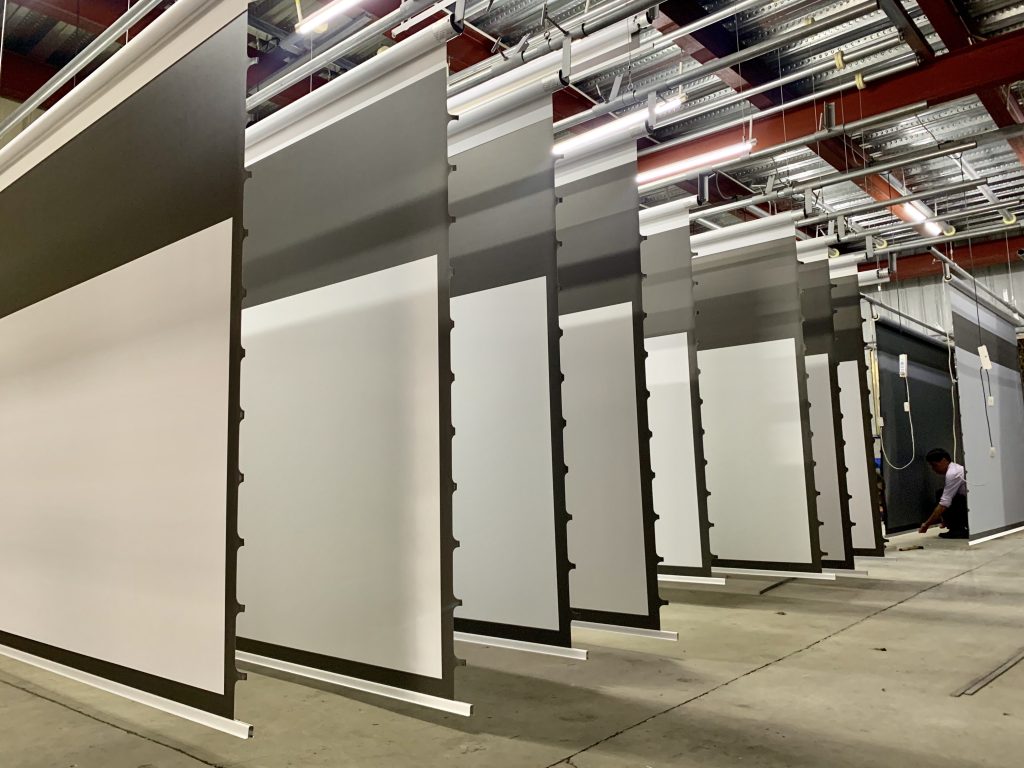
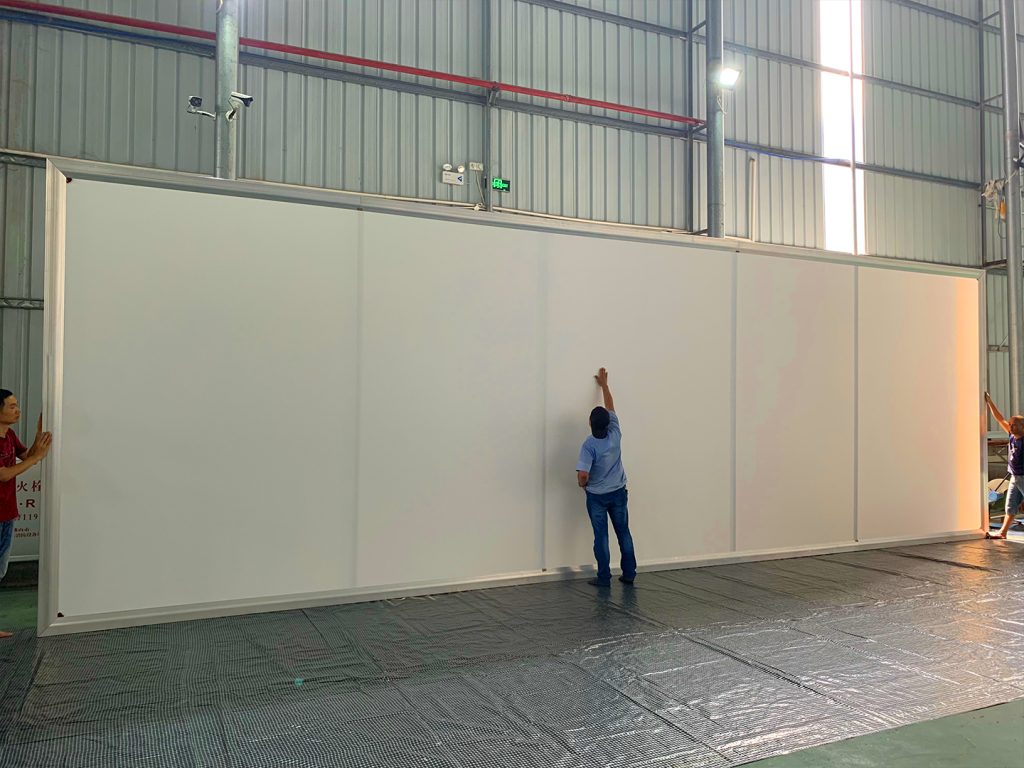
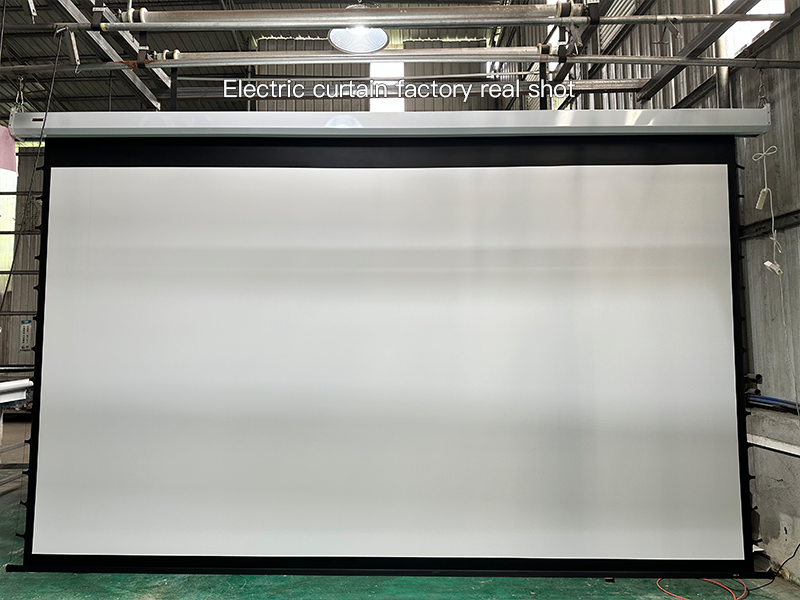
Spending weekends curled up on the sofa with family, revisiting classic movies, is supposed to be a pleasant experience—but if the screen size doesn’t fit the living room, resulting in cropped edges, or the material isn’t light-resistant, making the picture look gray during daytime viewing, that enjoyment is bound to fade. In fact, to create a home theater truly tailored to your space, custom home theater projection screen is the key solution. After all, no standard screen can perfectly match every household’s layout, equipment, and usage habits.
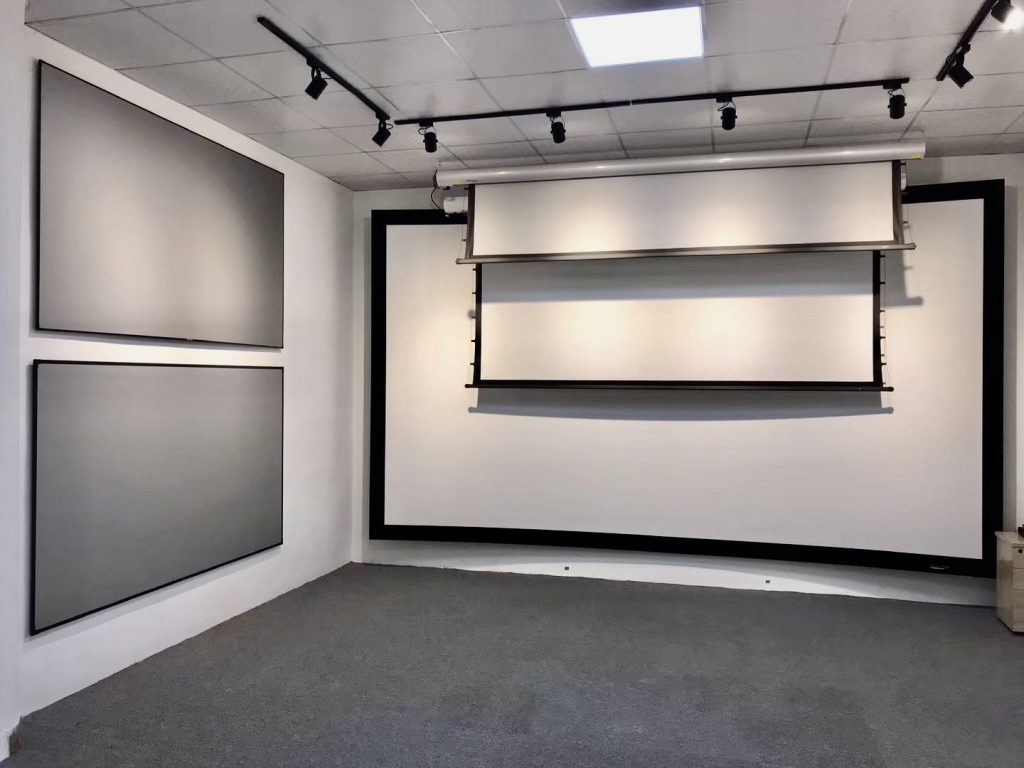
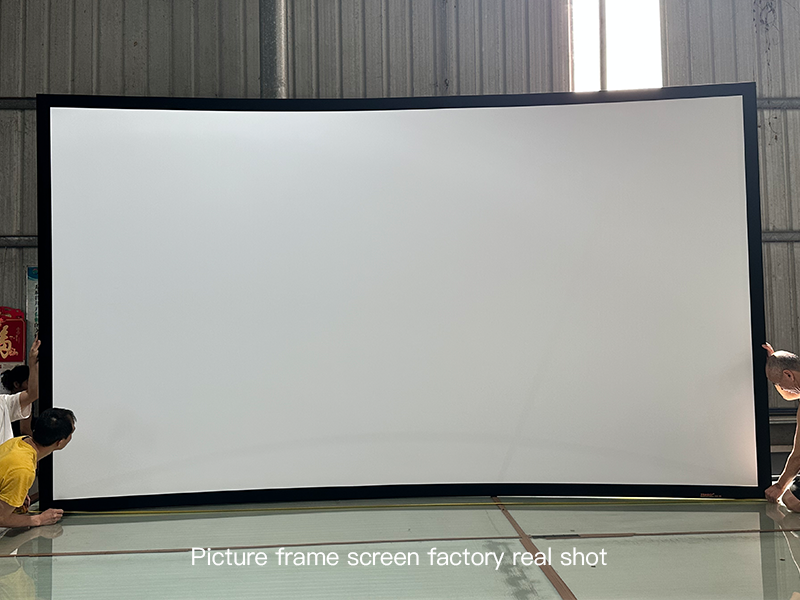
Why are more and more people abandoning ready-made screens for customization? Frankly speaking, the problems with ready-made screens are quite practical: forcing a large screen into a small apartment means straining your neck to watch; using a small screen in a spacious living room makes details indistinguishable from the sofa; not to mention that some layouts have beams or columns, making it impossible to install standard screens intact. A custom screen, however, is like a “tailor-made suit” for your home theater—from size to material, installation method to detailed finishes, everything can be tailored to your needs. Many audio-visual enthusiasts I’ve talked to say the most noticeable change after customization is how the screen fits the space perfectly. No matter where you sit, you can see a complete, clear picture, and that sense of immersion is unmatched by ready-made screens.
What should you focus on when customizing a home theater projection screen? Let’s start with size—it’s not about “the bigger the better.” In most cases, the screen width should be 0.8-1.2 times the viewing distance. For example, if the viewing distance is 3 meters, a screen width of 2.4-3.6 meters is ideal. It won’t lack immersion due to being too small, nor cause visual fatigue from being too large. Then there’s the material—different scenarios call for vastly different materials. Here’s a practical reference for you:
| Usage Scenario | Recommended Material | Core Advantages |
|---|---|---|
| Living Room (bright light) | Light-Resistant Soft Screen | Reduces ambient light interference, vibrant picture colors |
| Basement/Independent Home Theater (low light) | High-Definition White Screen | High restoration, cost-effective |
| Pursuing Ultimate Picture Quality (paired with high-end projectors) | 4K Microperforated Screen | Strong transparency, delicate detail performance |
Installation method is also crucial. If the renovation isn’t finished, built-in customization is a great option—hiding the screen in the ceiling saves space and looks sleek. For already renovated houses, wall-mounted customization is more flexible, and you can adjust the screen’s height from the floor according to the sofa height to avoid obstruction during viewing.
Here are two common questions that might answer your doubts:Q: Is the lead time for custom home theater projection screens long? Will it delay the renovation progress?A: Actually, there’s no need to worry too much. Most merchants have a customization cycle of 7-15 days. As long as you confirm the size, material, and installation requirements with the merchant in advance, it can fully align with the renovation progress. For already renovated homes, installation can be completed in one day without causing much disruption.Q: Is a custom screen much more expensive than a ready-made one?A: The price is indeed a bit higher, but the gap isn’t as big as you might think. Moreover, custom screens avoid the need for secondary replacement due to improper size, making them more cost-effective in the long run. Especially for families that value viewing experience, this investment is well worth it.
Ultimately, the core of custom home theater projection screen is to return the viewing experience to comfort and immersion. You don’t have to force yourself to adapt to standard products, nor change furniture placement to accommodate the screen. Instead, let the screen become part of the space, allowing you to fully immerse yourself in every movie night. If you’re also creating your own home theater, why not try a custom screen? Those overlooked details can often take the viewing experience to the next level.
 Scan QR Code
ZSMSCR Facebook
ZSMSCR Instagram
ZSMSCR X
ZSMSCR YouTube
ZSMSCR TikTok