
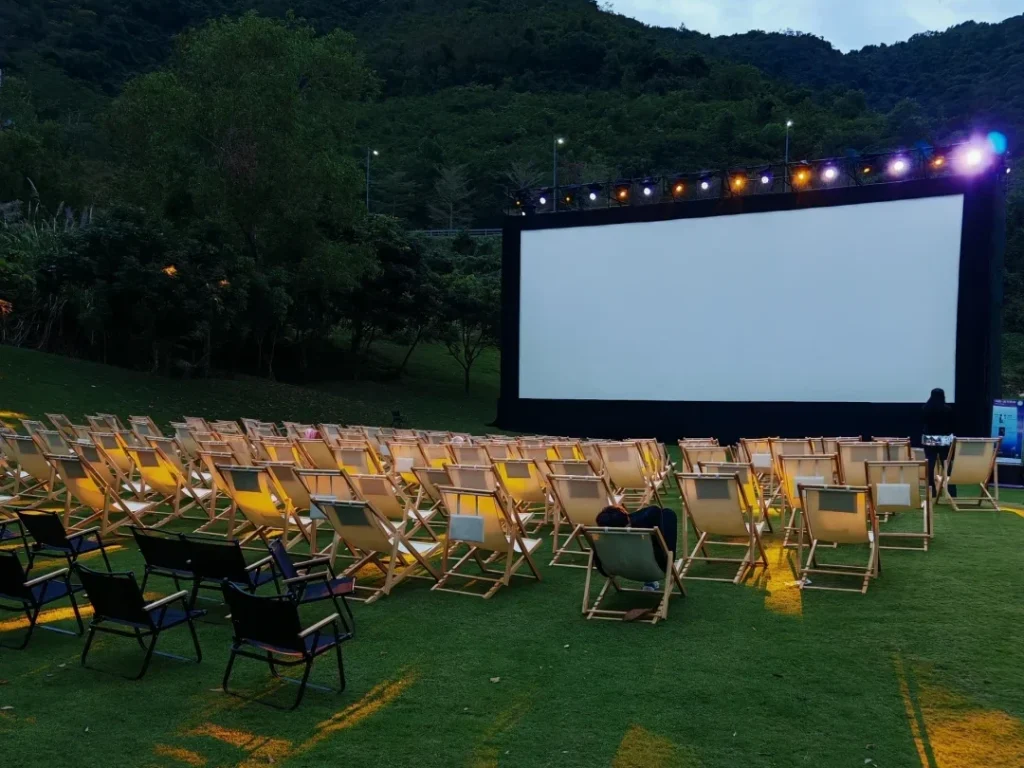
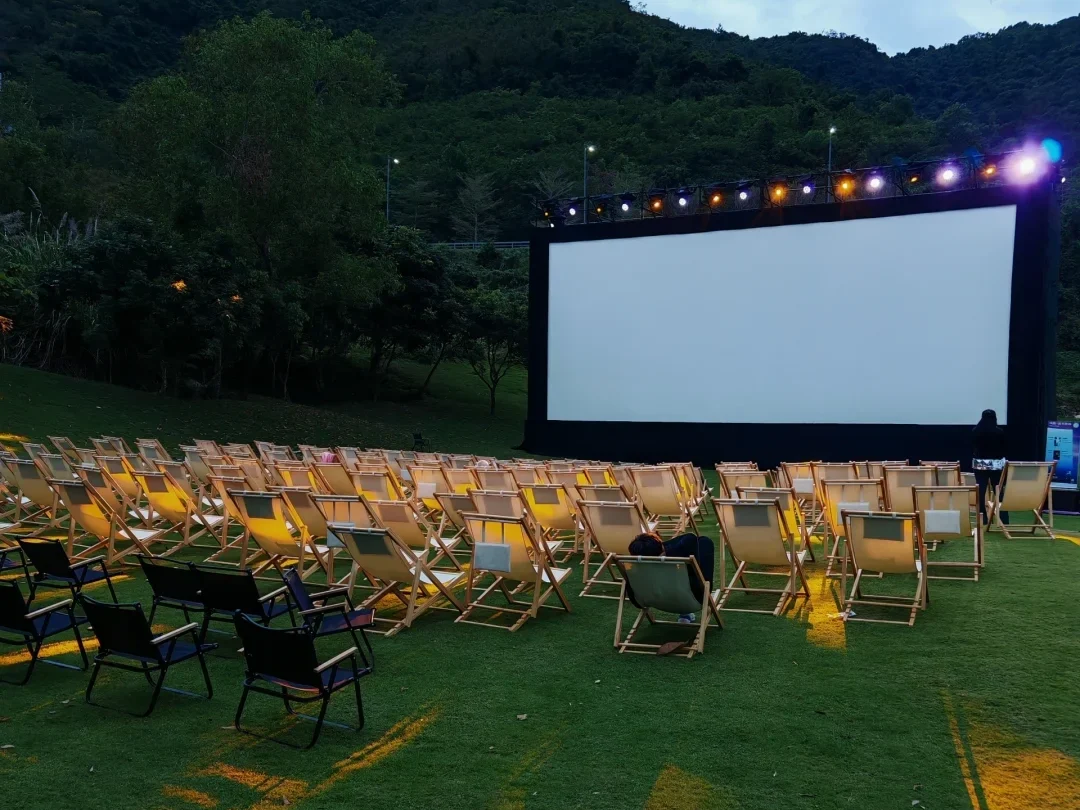
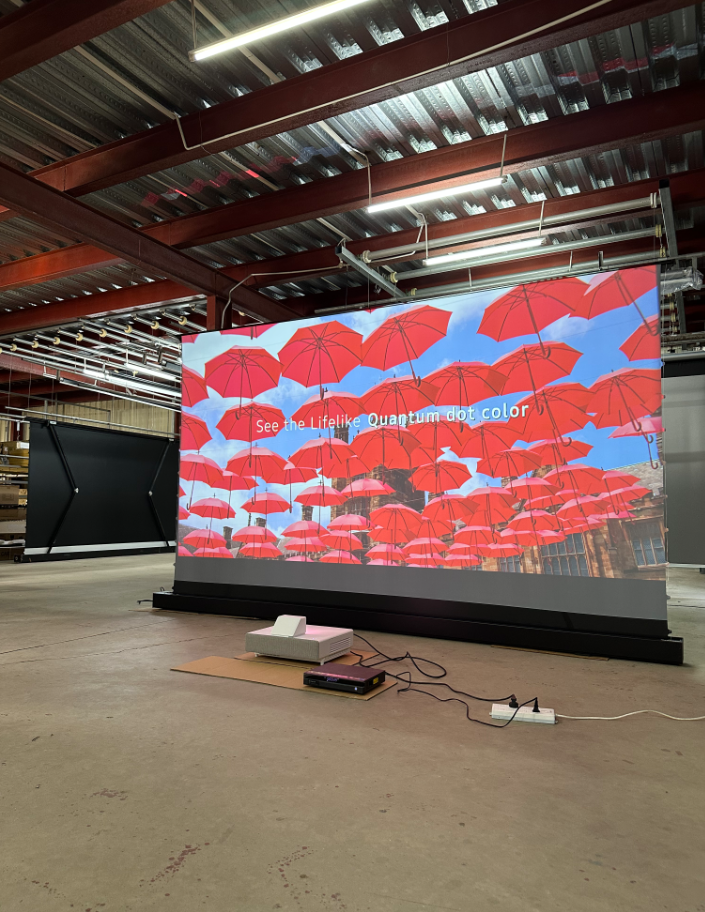
For B-end engineering scenarios such as cultural tourism night tours, commercial roadshows, and sports event broadcasts, outdoor projection screens are no longer simple temporary devices, but core display carriers that require long-term stable operation. Many engineering buyers often ignore structural loss caused by wind load, salt spray corrosion, and long-term stretching when selecting models. Products truly suitable for complex outdoor environments have their core competitiveness in the structural design of metal frames and the standardized system of tensile and wind resistance tests. ZSM has long focused on the customized R&D of outdoor projection screens, and has established a complete implementation standard from material selection to structural testing for the engineering needs of different climate regions , enabling metal frame outdoor projection screens to maintain stable performance in harsh outdoor environments.
Engineering-level Challenges in Outdoor Projection Scenarios: Wind Load, Salt Spray and Long-term Operation
Outdoor projection projects often cover landforms such as coasts, deserts, and rainforests. The wind-receiving area of large-size outdoor projection screens increases exponentially after deployment. Wind loads in horizontal and vertical directions continuously pull the screen edges and frame connectors. Ordinary iron frames are not only easy to deform, but also cause wrinkles and tears on the screen due to uneven stress, directly affecting the integrity of projected images.
Salt spray erosion in coastal areas is a key issue for B-end projects. Ordinary metal frames will rust within 3-6 months in high-salt environments, and their support strength will drop significantly. In areas with high temperature and strong ultraviolet rays, if the screen material lacks anti-aging treatment, problems such as yellowing and embrittlement will occur, which is why many temporary outdoor screens cannot meet long-term engineering deployment. The design of engineering-grade outdoor projection screens needs to take into account structural strength, environmental adaptability and later operation and maintenance costs from the beginning, which is the core consideration of B-end customers.
Tensile, Windproof and Waterproof Test Standards: Engineering-level Quantitative Indicators
The Beaufort Scale is a universal safety reference standard in the outdoor audio-visual equipment industry, as well as the core basis for outdoor projection screen wind resistance tests. Different wind levels correspond to the use specifications and structural tolerance of screens, directly determining whether products can pass engineering acceptance.
The tear resistance of screen materials is the core data to measure the quality of tensile outdoor projection screens. According to international textile testing standards, the warp and weft tear resistance of engineering-grade screens must meet strict thresholds; the frames adopt 6061-T6 aviation aluminum alloy, and the thickness of anti-corrosion oxide layer directly affects the service life in salt spray environments.
| Test Item | Test Standard Parameter | Compliance Significance |
|---|---|---|
| Warp Tear Strength | ≥320N/5cm | Resist daily strong wind pulling and avoid edge tearing |
| Weft Tear Strength | ≥95N/5cm | Adapt to the transverse stress demand of large-size screens |
| Oxide Layer Thickness of 6061-T6 Aluminum Frame | ≥18μm | Withstand 400 hours of salt spray test without obvious corrosion |
| Wind Resistance Adaptation Level | Beaufort Scale 5-6 | Meet the normalized outdoor use in most regions |
ZSM Metal Frame Design and Core Technology of Outdoor Windproof Projection Screens
ZSM has carried out three targeted optimizations on the structural design of outdoor projection screens around B-end engineering needs, each of which has been tested in field environments:
- Perforated air-permeable array designThrough the perforation process with precise aperture arrangement, wind resistance is dispersed without affecting the projection image quality, allowing airflow to penetrate the main screen, greatly reducing the impact of wind load on the frame, and improving wind resistance by more than 40% compared with closed screens.
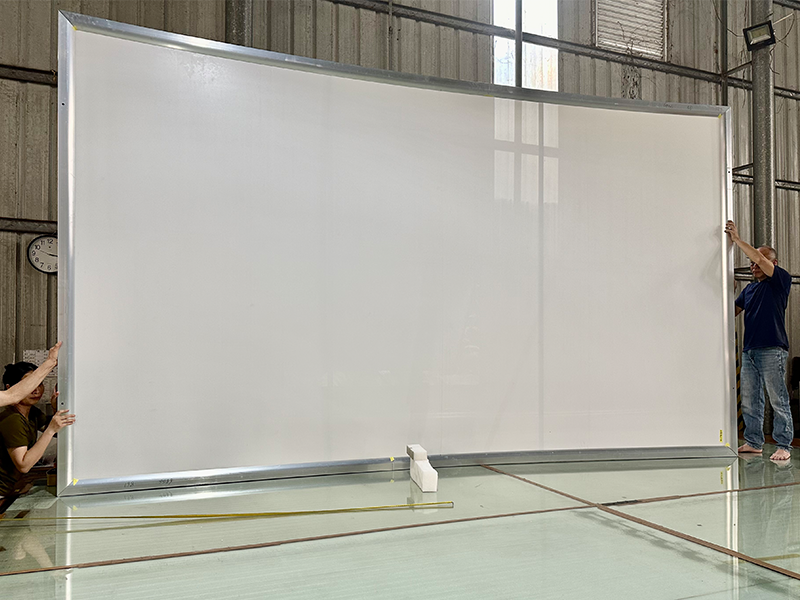
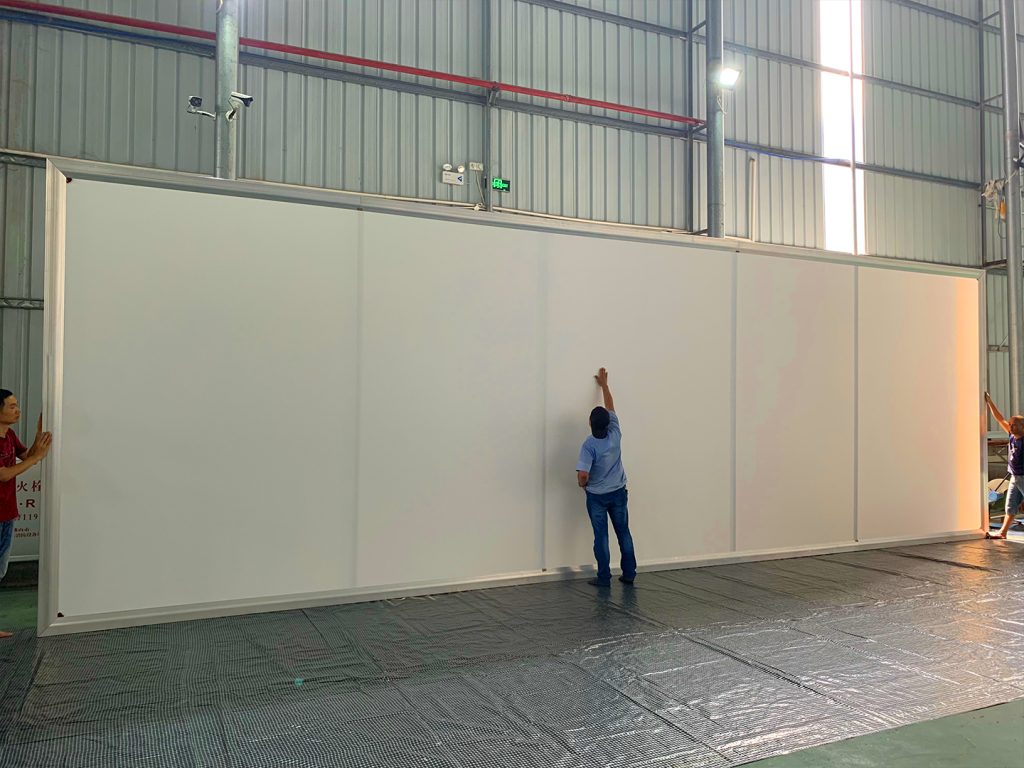
- Modular metal frame splicingAdopt high-precision cut 6061-T6 aviation aluminum profiles with anti-slip buckles at the joints, improving installation and disassembly efficiency, while ensuring the coaxiality of the overall frame to avoid loosening after long-term use.
- Stay cable + counterweight dual reinforcementCalculate the counterweight ratio according to the screen size and wind force data of the installation area, combined with stainless steel stay cables, to prevent frame overturning and displacement under strong winds, suitable for large-scale outdoor engineering installation.
Many engineering customers often ask how to judge the protection level of outdoor waterproof projection screens. All ZSM products adopt IP65 sealed packaging for motors, which can cope with moderate to heavy rain; the screen surface adopts fluorocarbon hydrophobic coating, allowing rainwater to roll off quickly without leaving water marks, while resisting ultraviolet aging, not easy to yellow and embrittle after long-term outdoor use. Other customers compare the wind resistance of inflatable and frame screens. From the perspective of engineering-level durability, metal frame outdoor projection screens are far more stable than inflatable models, especially suitable for long-term fixed installation projects .
Customization Service: ZSM Salt Spray Corrosion Resistant Outdoor Projection Screens Adaptation Solutions
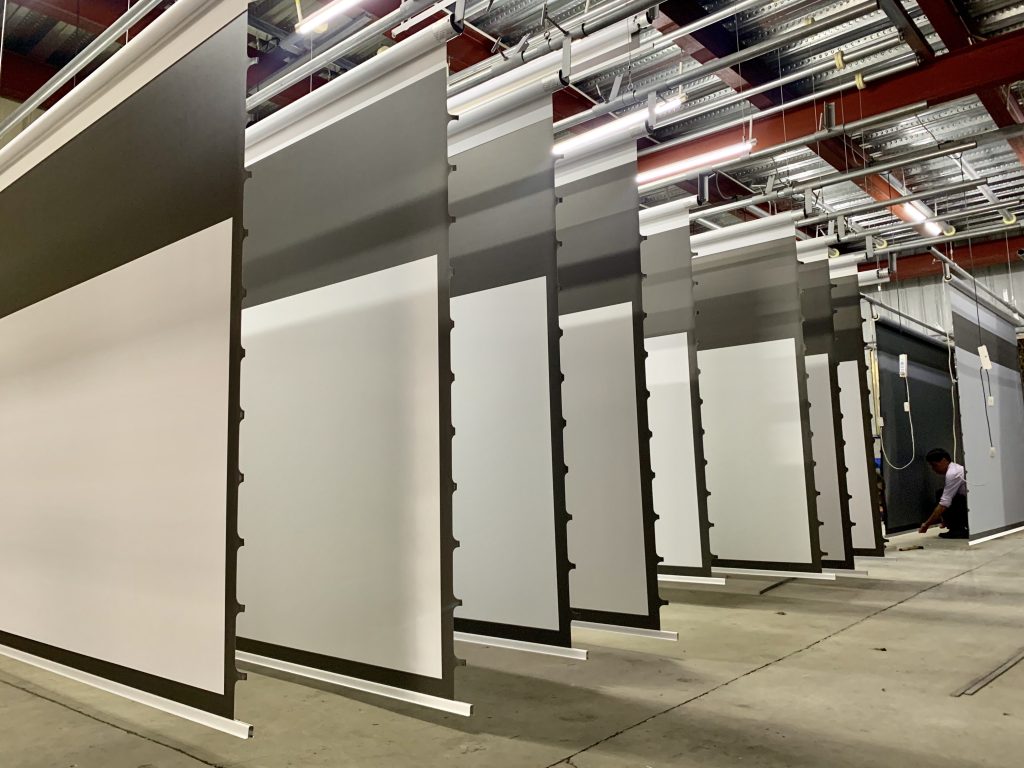
For B-end customers in different regions, ZSM provides one-on-one customization services for outdoor projection screens, following up from on-site survey, size customization to structural optimization. For coastal high-salt spray areas, the oxide layer frame can be upgraded and thickened; for windy desert areas, the air permeability and tensile structure are strengthened; for rainy rainforest areas, the waterproof sealing process is optimized. We do not produce standardized mass-produced general products, but create engineering-level solutions with stronger adaptability according to the actual environment of the project.
Frequently Asked Engineering Questions
Q: How to deal with engineering outdoor projection screens in case of sudden gusts above level 6?
A: It is recommended to equip a remote electric control retraction system to retract the screen as soon as possible in case of strong winds; fixed installation projects can add temporary reinforcement accessories to avoid structural damage caused by forced deployment.
Q: Will the tensile properties of the screen attenuate after long-term outdoor deployment?
A: ZSM selects high-toughness polyester substrates with anti-aging technology. The attenuation rate of tear strength is less than 5% within 2-3 years of normal use, meeting the needs of long-term operation and maintenance of projects.
Q: Is custom frame support available for oversized outdoor projection screens?
A: Yes, specifications from 100 to 500 inches can be customized according to project requirements, and the frame structure is synchronously strengthened to ensure the wind and tensile resistance of large-size products.
Reference
Test standards refer to Beaufort Scale Outdoor Equipment Safety Specifications, ASTM D5587 Textile Tear Resistance Test Standards, and 6061-T6 Aluminum Alloy Anodizing Anti-corrosion Industry Standards
 Scan QR Code
ZSMSCR Facebook
ZSMSCR Instagram
ZSMSCR X
ZSMSCR YouTube
ZSMSCR TikTok