Welcome to Zsm Audiovisual Equipment(guangzhou)co.,ltd.

news
-
How to Install a Projection Screen Without Damaging Your Walls?
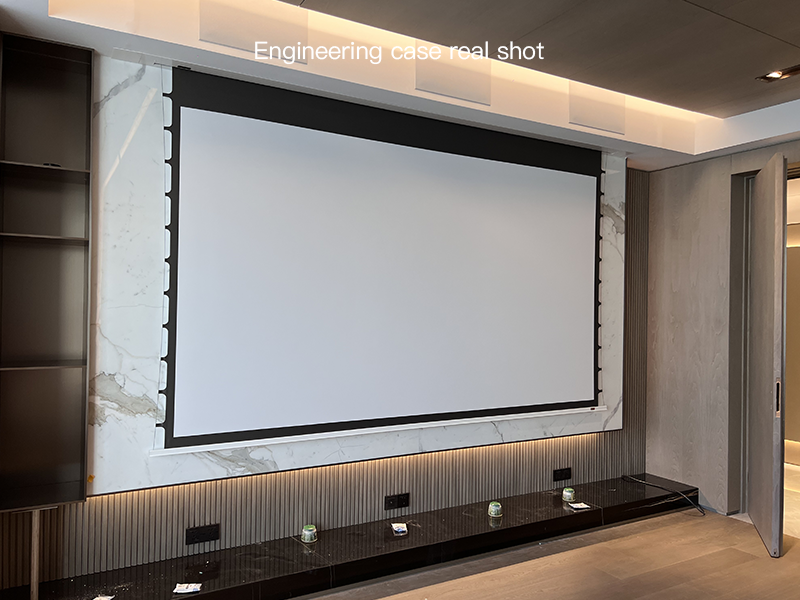
Are you excited about setting up your new home theater or office presentation system but worried about damaging your beautifully painted walls? You’re not alone! Many people hesitate when it comes to installing projection screens, fearing unsightly holes, cracks, or scratches. The good news is that with the right techniques and tools, you can mount your screen securely while keeping your walls pristine. Let’s explore some clever, damage-free installation methods. Why Wall Protection Matters Imagine spending thousands of dollars on interior decoration, only to ruin it with a careless installation. Wall damage isn’t just about aesthetics—it can lower property value and incur expensive repair costs. A recent 2025 survey by Home Improvement Insights revealed tha...Learn more -
Custom Projection Screens: Beyond the Beam – Crafting the Ultimate Canvas for Premium Projections
Have you ever found yourself sitting in a movie theater, mesmerized by the larger-than-life, vibrant image on the screen? Or perhaps you’ve been in a modern classroom, where a projected presentation holds your attention like a magnet. Maybe it was during a high-stakes business pitch, and the projected visuals seemed to leap off the display. That enchanting experience isn’t solely the work of the projector. It’s a harmonious interplay between the light engine and its perfect match: the projection screen. As a custom projection screen manufacturer, we understand that grasping the nuances of projectors is the first crucial step in selecting the right screen. Today’s projectors are engineering marvels, built primarily on three core display technologies. Let...Learn more -
Projector Screen Showdown: Electric, Fixed-Frame, or Hard Screen? Finding Your Perfect Match
Hello, home cinema aficionados! Welcome to ZSMSCREEN, your go-to source for bespoke projection solutions. A question we frequently encounter is: “Which is better – an electric screen, a fixed-frame screen, or a hard screen?” Upon entering a room, the eye is often drawn to a sleek housing affixed to the ceiling. This is the iconic electric screen, the image that typically springs to mind. But is it the optimal choice for your particular space? Let’s delve into the details! Act I: The Ascendancy of the Electric Screen Envision this scenario: with a simple press of a button, a canvas elegantly descends from the ceiling, instantly transforming your living room into a private cinema. This is the enchantment of the electric screen. How It Function...Learn more -
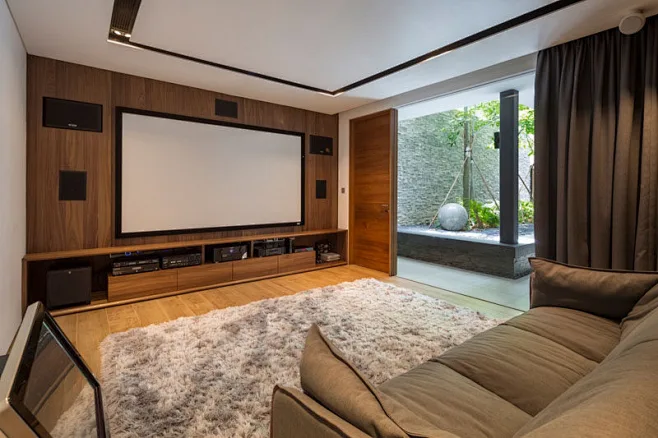
The Ultimate Guide to Perforated vs. Woven Acoustic Projection Screens: Which is Right for Your Home Theater?
You’re in the process of building your dream home theater. You’ve picked out the perfect projector, top-notch speakers, and the most comfortable seats. But there’s one vital element that can either elevate or ruin your cinematic experience: the screen. If you want that sleek, professional look with speakers concealed behind the screen, an acoustic projection screen is a must. The big dilemma now is: Should you go for a Perforated (Micro-Perforated) or a Woven screen? Let’s delve into the details to help you make an informed decision. The Core Difference: It’s All About Gain One of the most crucial distinctions between these two types of screens stems from their materials and how they affect gain. You might be thinking, “For a screen size un...Learn more -
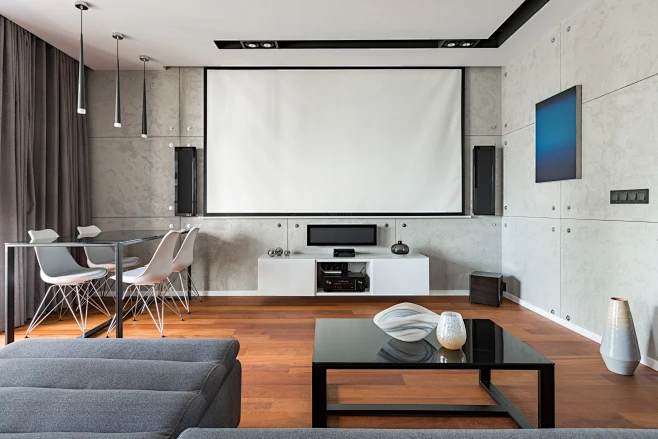
Living Room Cinema: The New Era of Home Entertainment
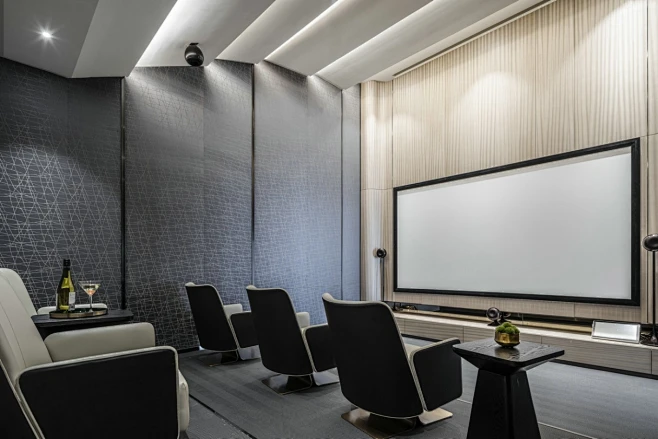
In the 21st century, digital technology has revolutionized the audio – visual landscape. Gone are the days when we had to rush to the cinema to experience breathtaking visuals and immersive sound. Now, sitting comfortably at home, we can replicate that cinematic magic. But here’s the catch: traditional home theaters were mostly a luxury for the wealthy, limited to those who could afford to build a dedicated viewing room in their palatial mansions or villas. The Evolution of Home Entertainment However, with the advent of new – generation high – tech audio – visual equipment, the concept of home theaters has taken a new turn. Enter theliving room cinema! This innovative approach has completely changed the game. Let’s take a quick look at the ...Learn more -
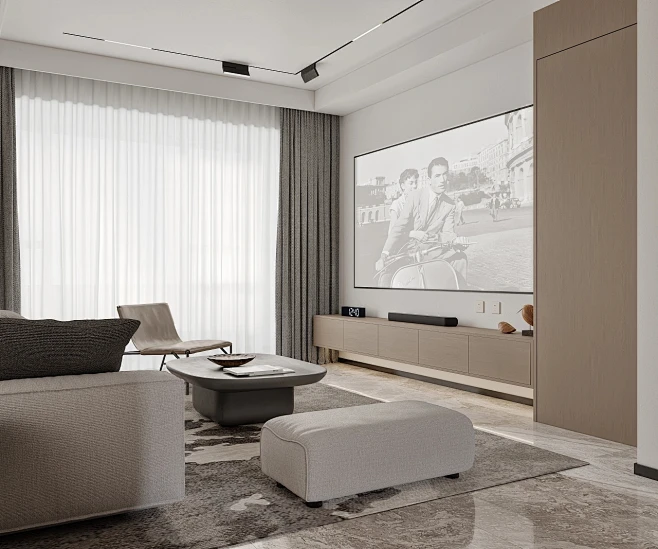
How to Choose a Projection Screen? No Mistakes After Reading This
Nowadays, people are paying more and more attention to visual experiences—and projection screens have become a must-have, whether you’re setting up a home theater or equipping a corporate meeting room. But with so many options on the market, it’s easy to feel overwhelmed when picking one. Let’s break this down step by step to help you find the perfect fit for your needs. White Screen or Gray Screen? It Depends on Your Space Imagine you’re putting together your dream home theater: you’ve got the latest projector, a cozy couch, and even a bowl of popcorn ready—then you hit a snag: should you go for a white screen or a gray one? White screens are the classic choice, and their biggest strength is accurate, vibrant colors. If you use a DLP projector (these are known for strong ...Learn more -
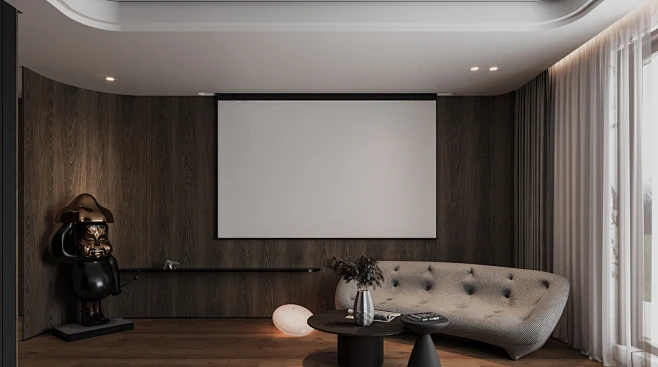
Easy and Effective Tips to Clean and Maintain Your Projection Screen
In the dynamic world of visual presentations and home entertainment, projectors have become a game-changer. Their versatility is astonishing, enabling us to project images onto an array of surfaces, from ordinary walls and desks to the mesmerizing canvas of water screens and even rugged rocks. However, to truly unlock the potential of a projector and enjoy a breathtaking viewing experience, the synergy between ahigh-quality projector and a well-maintained projection screen is indispensable. For the vast majority of users, pairing a projector with a specialized screen is the go-to choice. But what transpires when that crucial screen succumbs to dirt, warping, or discoloration? The consequences are clear: a significant decline in image quality. The silver lining? With a collection of...Learn more -
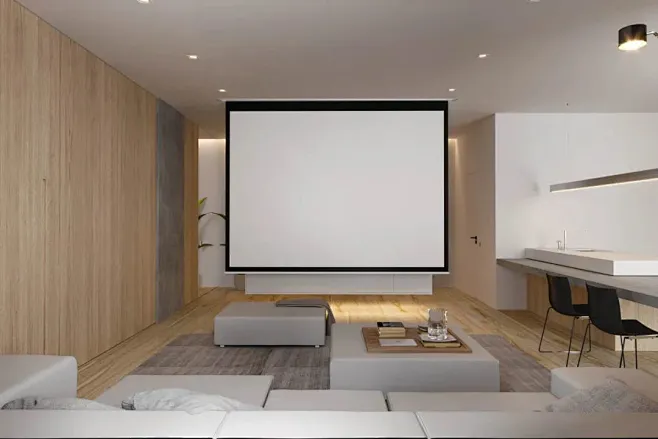
How to Master Projection Screen Setup for DLP Blending: A Step-by-Step Configuration Handbook
When creating seamless large-scale visual displays,DLP projection screen blending technology stands out. Let’s start with the basics: DLP (Digital Light Processing) works by digitally processing images before projection. Here’s the workflow: Light from a UHP lamp passes through a condenser lens and light pipe for homogenization, then goes through a color wheel (separating into RGB or RGBW), hits a DMD (Digital Micromirror Device) chip, and reflects through the lens onto the screen. DLP is renowned for its reliability, portability, bright output, and stunning image quality. Edge blending takes this further by merging multiple projectors into one continuous, high-resolution image without visible seams. While projectors and software do the heavy lifting, the projection scre...Learn more -
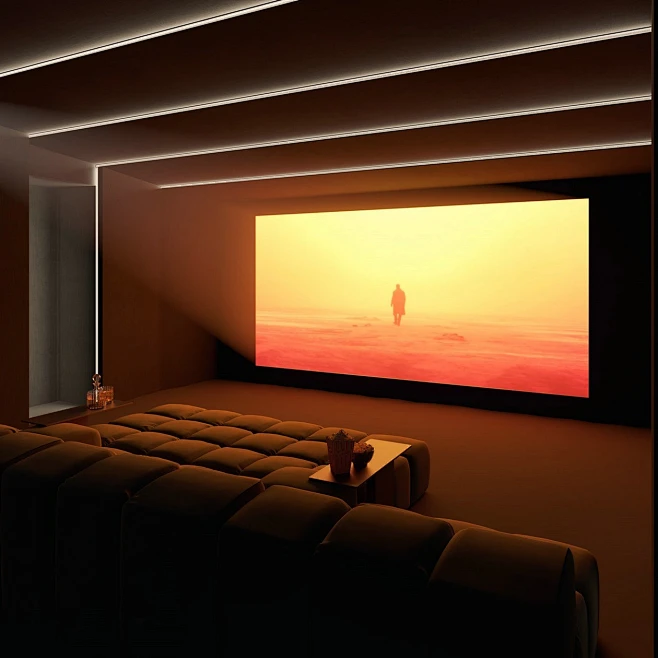
The Art of Choosing the Right Projection Screen: A Clear and Practical Guide
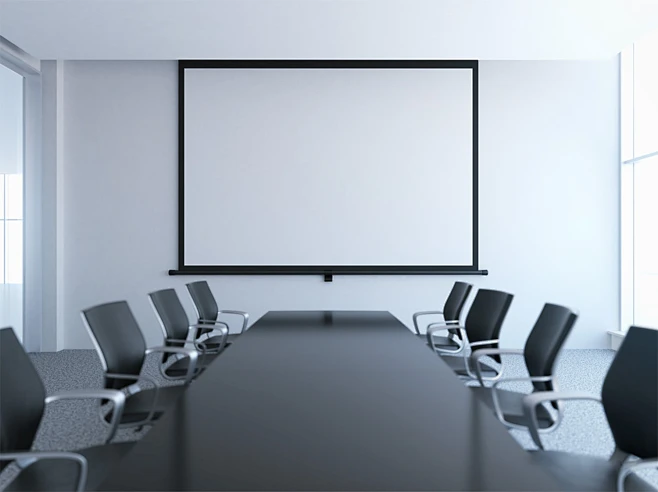
Picking the perfect projection screen involves more than just size—it shapes how you see and experience everything from weekend movies to Monday morning presentations. Let’s walk through the essentials without the technical overload. Gain: Brightness vs. Viewing AngleGain tells you how efficiently a screen reflects light. A gain of 1.0 is like a standard whiteboard—it diffuses light evenly. Go higher, say 2.0, and the screen acts more like a mirror, intensifying brightness for those right in front. But there’s a trade: the higher the gain, the narrower the ideal viewing angle. Sit off to the side, and the image may look faded. Quick example: A high-gain screen in a wide meeting room? Not ideal. The person running the presentation sees a brilliant image, but folks on the s...Learn more -
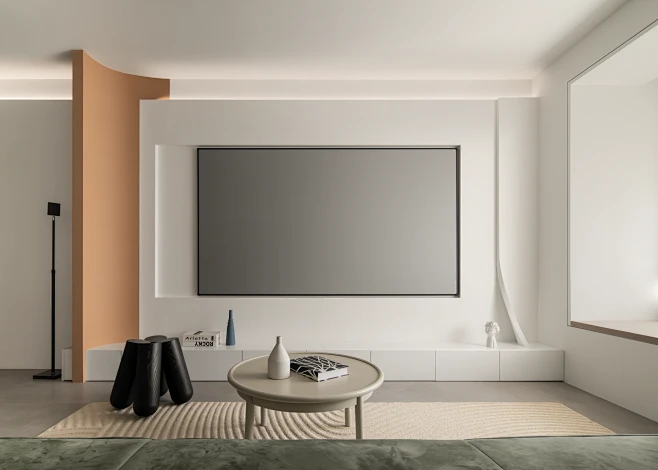
6 Creative Ways to Use Projector Screens Instead of TVs – Which One Fits Your Home?
In modern home design, the combination of a projector and screen has become a popular alternative to traditional TVs. This setup not only replaces the television but also introduces a new layer of elegance and functionality to your living space. Whether you’re aiming for a minimalist look, saving space, or creating a home theater experience, projector screens offer flexibility and style that conventional TVs often can’t match. Let’s explore six innovative installation methods that might inspire your next home upgrade! 1. Open-Plan Living and Dining Areas Many homes today feature open layouts where the living and dining areas flow into one another. In such spaces, especially smaller ones, placing a sofa or TV cabinet in the middle can make the area feel cramped. Instead...Learn more